


December 29, 2025 | By: Alfares International Tents
The Role of Steel Structures in Modern Tent Engineering
Understanding the Backbone of Large-Scale Modular Tents
When evaluating tents and modular structures, attention often goes to visible elements such as fabric membranes, interior finishes, or installation speed. However, the true performance of any large-scale tent solution depends on what lies beneath the surface.
Steel structures form the core framework that determines strength, safety, scalability, and long-term usability. In modern modular construction, steel has become a fundamental material for high-performance tent systems across events, industrial, commercial, and public sector applications.
Structural Strength for Large and Complex Spaces
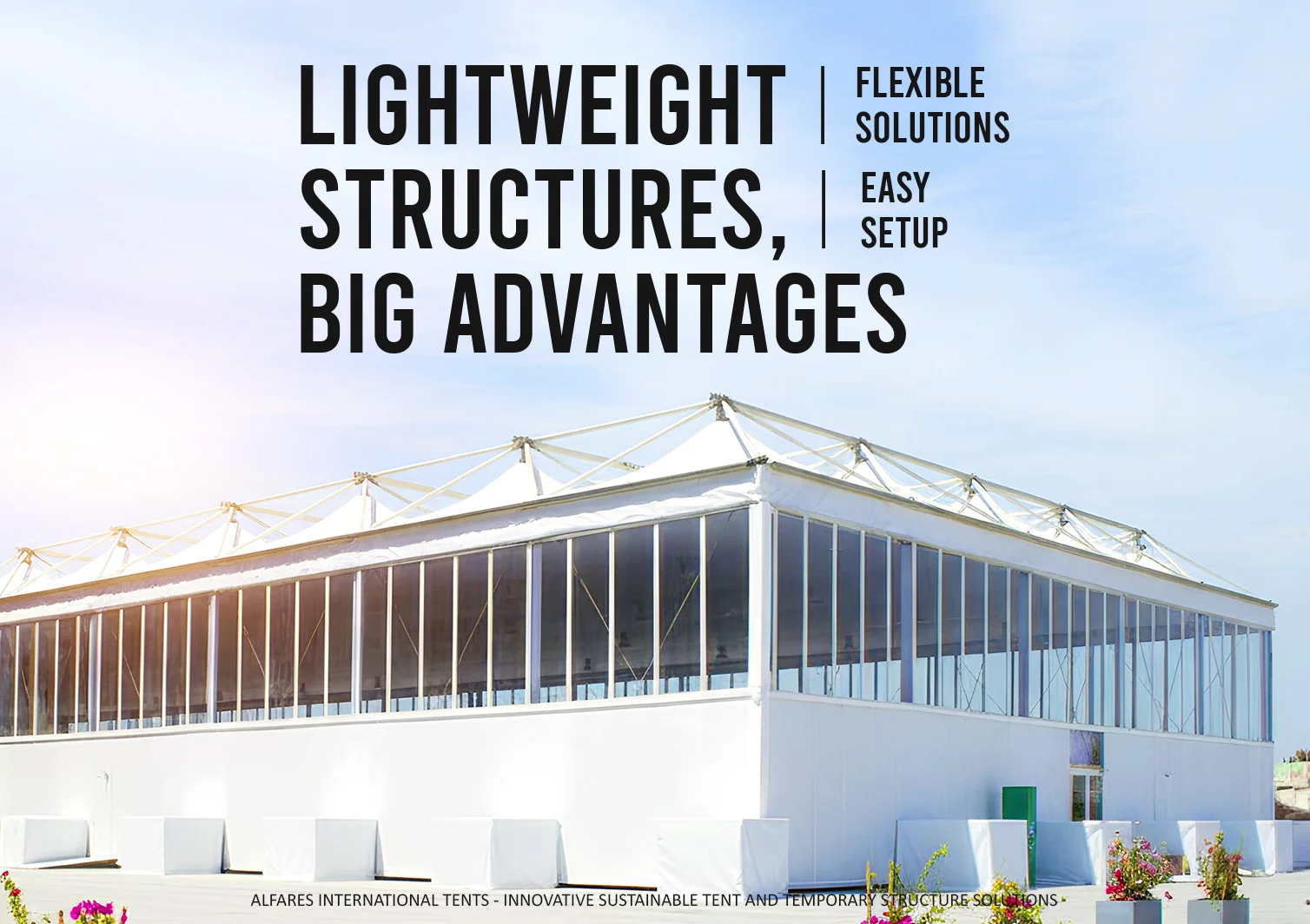
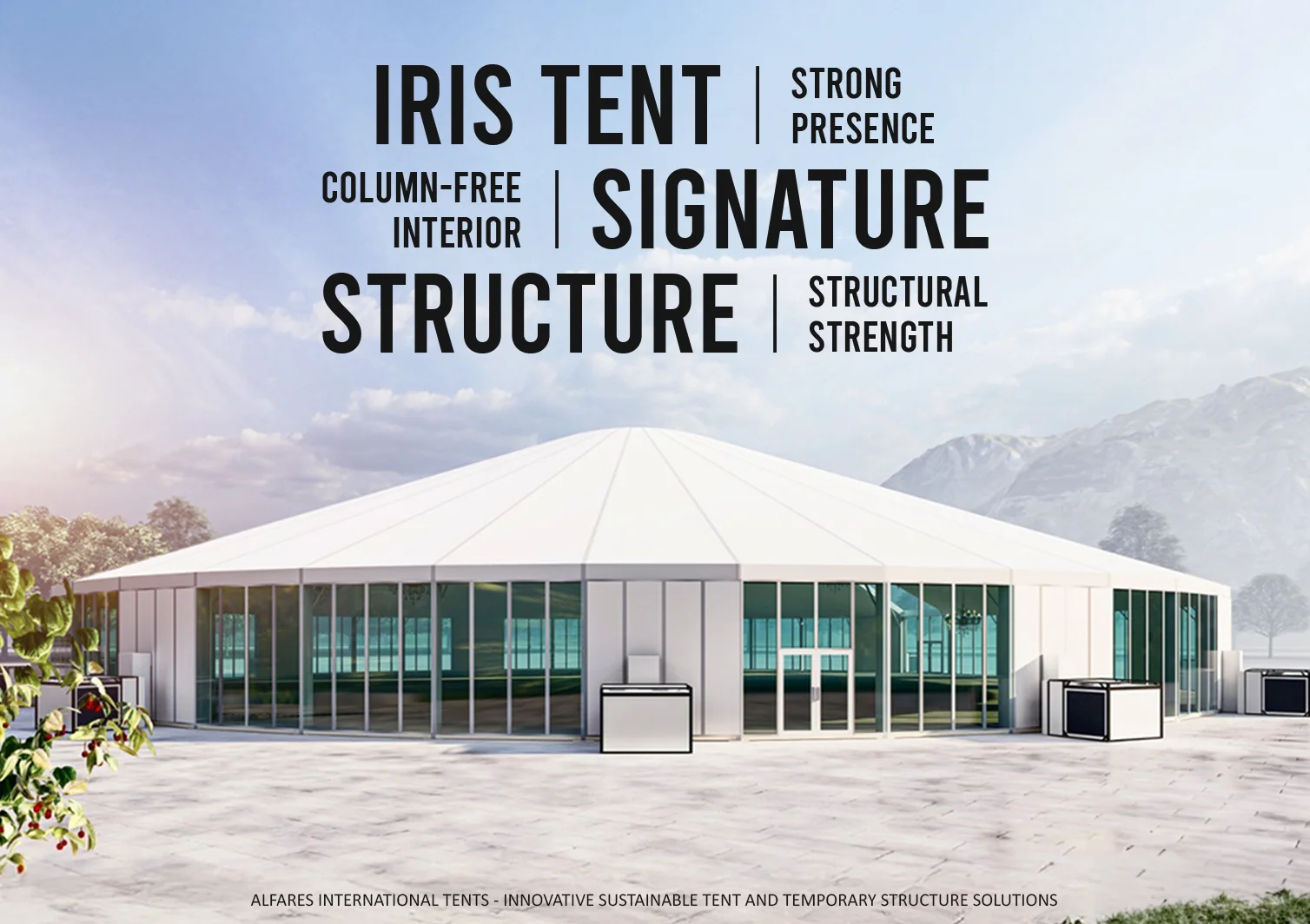
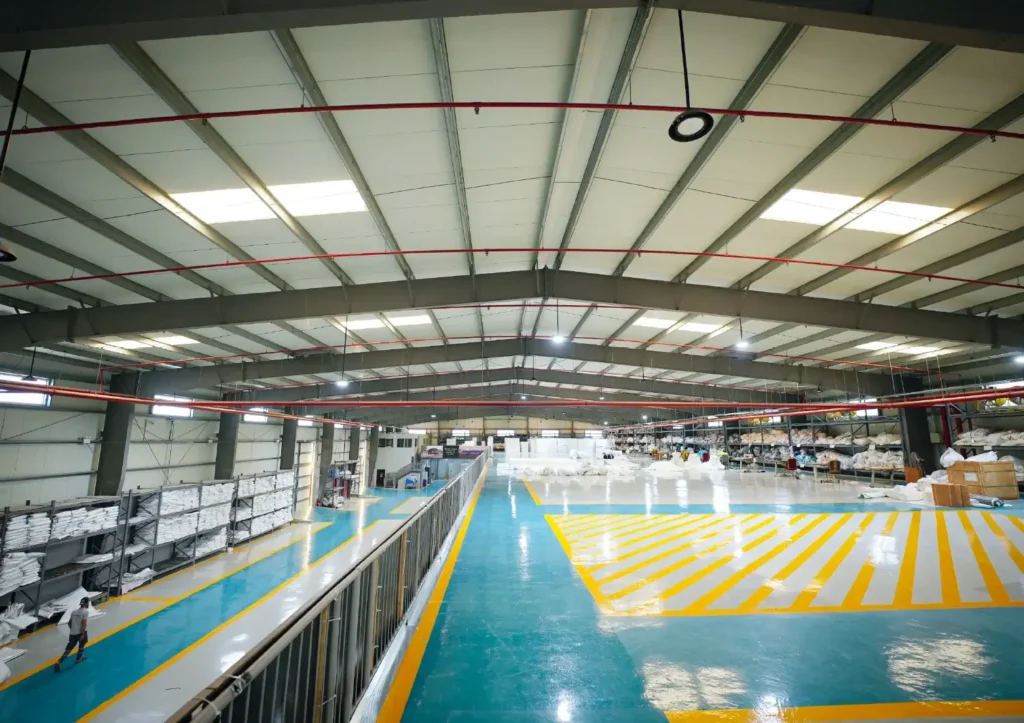
Steel offers exceptional load-bearing capacity, making it ideal for tents that require wide clear spans and open interiors. Exhibition halls, sports venues, event pavilions, logistics shelters, and industrial enclosures often need uninterrupted space without internal columns. Steel frameworks allow these large spans while maintaining stability, enabling flexible layouts and efficient use of space.
This structural strength supports complex roof geometries, elevated ceilings, and multi-functional layouts that would be difficult to achieve with lighter materials.
Long-Term Durability in Challenging Environments
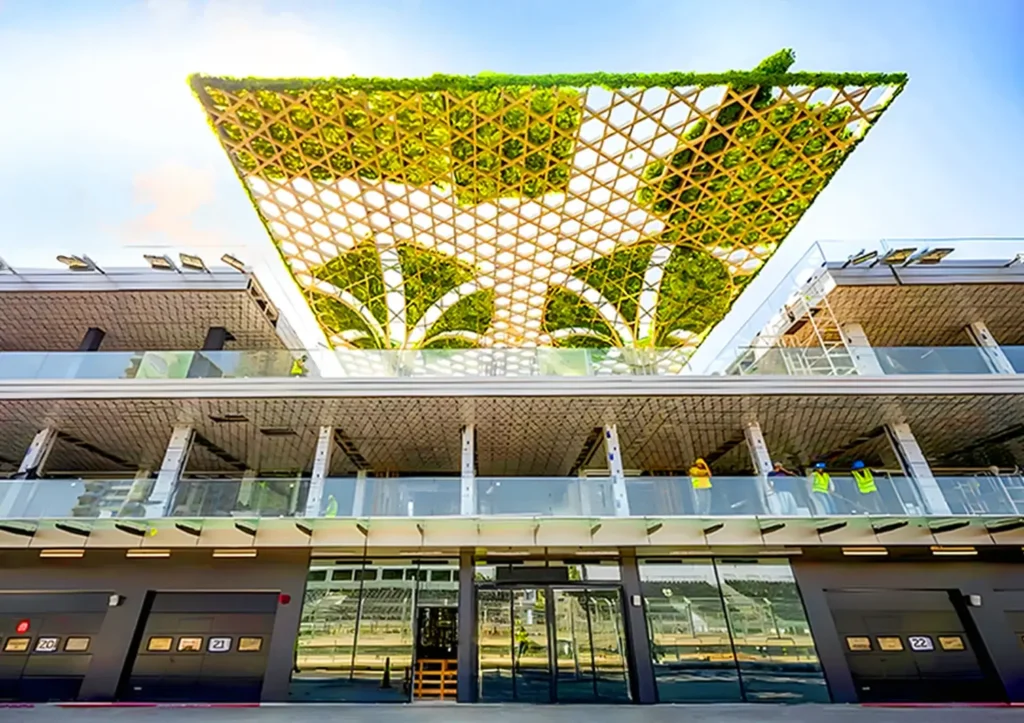
One of steel’s greatest advantages is durability. Steel structures resist deformation, fatigue, and environmental stress over time. They perform reliably in varying weather conditions, including high winds, temperature fluctuations, and repeated assembly and dismantling cycles.
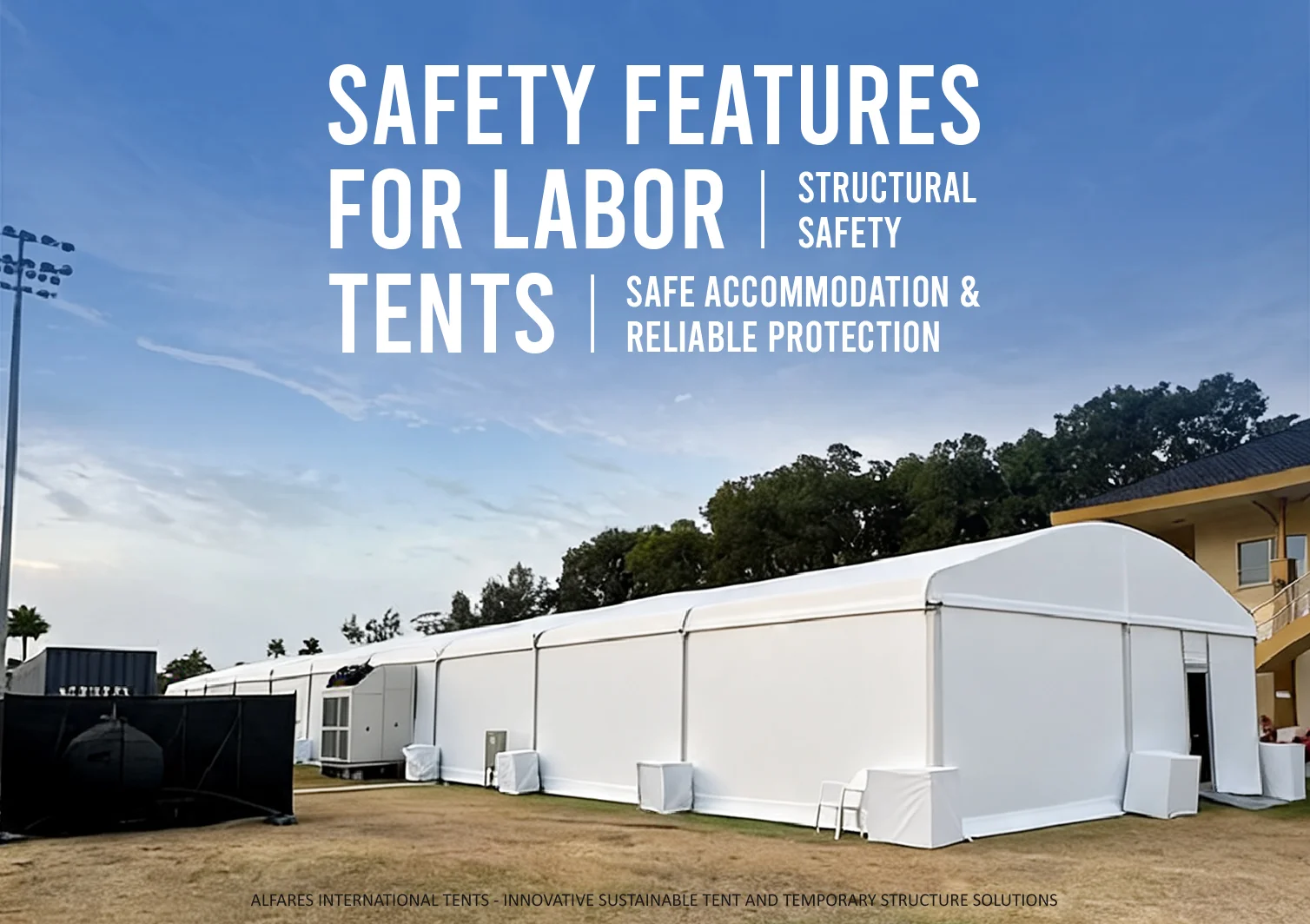
This durability makes steel-framed tents suitable for both temporary and semi-permanent installations, including seasonal events, traveling exhibitions, long-term storage facilities, and remote site operations.
Safety and Compliance at Scale
Safety is a critical consideration for any structure designed to host people, equipment, or operations. Steel frameworks provide predictable structural behavior when engineered correctly, allowing precise calculations for wind loads, roof loads, and overall stability.
Steel-based tent systems are commonly designed to meet international safety codes and engineering standards, making them suitable for high-occupancy environments such as public events, government facilities, and industrial operations.
Design Flexibility Without Compromise
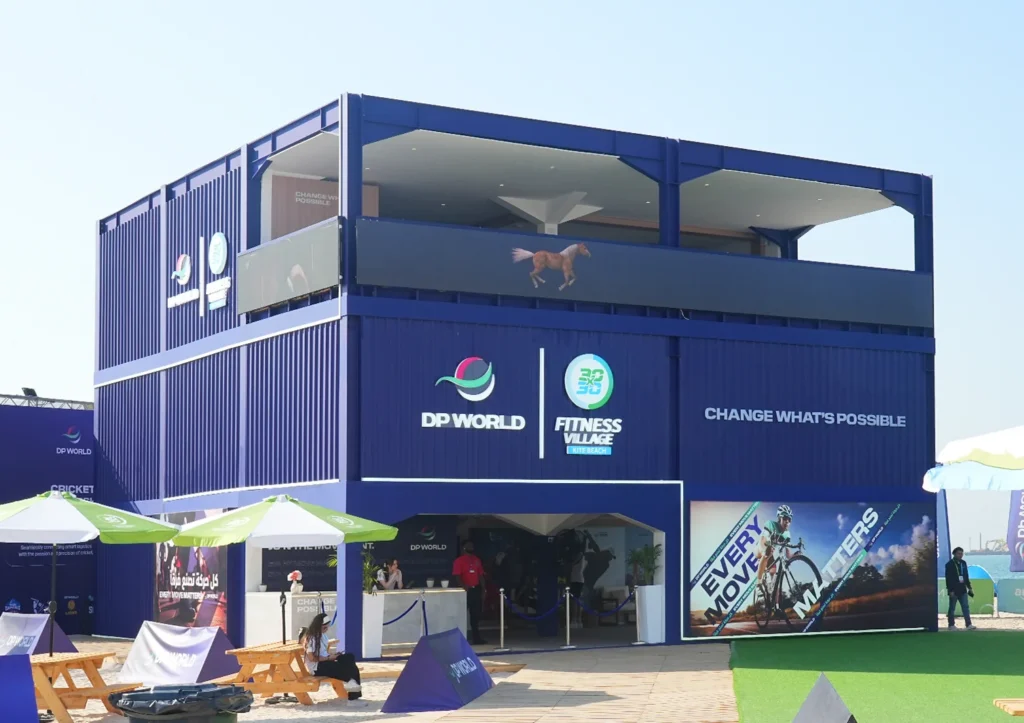
Steel does not limit creativity. Instead, it enables architectural freedom. Designers and engineers can achieve customized shapes, modular extensions, elevated platforms, and integrated technical systems within steel-supported tents.
This flexibility allows steel structures to adapt across multiple use cases, from elegant hospitality spaces and exhibition environments to functional warehouses, workshops, and operational hubs.
Sustainability Through Reusability and Longevity
From a sustainability perspective, steel supports responsible construction practices. Its long lifespan reduces the need for frequent replacement, while its reusability allows structures to be relocated, reconfigured, or repurposed for new projects.
Steel is also highly recyclable, aligning with circular economy principles and modern sustainability goals. When combined with modular construction methods, steel frameworks help reduce waste and minimize the environmental impact of temporary and semi-permanent infrastructure.
Why Steel Remains Essential in Modular Tent Systems
Steel structures matter because they provide the foundation for performance, safety, adaptability, and longevity. They enable tents to function as reliable infrastructure rather than temporary shelters, supporting diverse applications across events, exhibitions, industrial operations, logistics, humanitarian projects, and public sector initiatives.
Understanding the role of steel in tent engineering helps project planners, architects, and operators make informed decisions that balance speed, safety, cost efficiency, and long-term value.
Steel as the Foundation of Reliable Tent Infrastructure
Steel structures play a vital role in modern tent engineering by delivering the strength, safety, adaptability, and durability required for large-scale and high-performance applications. From supporting wide-span layouts to ensuring long-term reliability and sustainable reuse, steel frameworks allow modular tents to function as dependable infrastructure across industries and environments.
Understanding this foundation is key to selecting solutions that perform consistently, scale efficiently, and meet demanding operational requirements.
Explore Our Modular Tent Systems
If you are planning a project that requires scalable, durable, and engineered tent solutions, exploring steel-based modular systems is a smart place to start.
Contact us at +971 54 400 2658 for a free consultation or personalized project guidance, email us at info@alfaresintl.com, or reach out via direct message for immediate support.
Discover modular and tent structures designed for diverse sectors and applications:
https://alfarestents.com/en/structures/