October 27, 2026 | By: Alfares International Tents
How Large Can a Tent Structure Be?
When planning a large event, exhibition, warehouse, or temporary facility, one important question often comes up: how much space can a tent structure cover?
The answer depends on the project requirements, site conditions, structural design, and intended application. Modern tent structures are available in a wide range of dimensions, from compact installations to expansive clear-span spaces designed for large-scale operations.
At Alfares International Tents, customized tent solutions can be developed to suit different space requirements, offering flexibility in width, length, configuration, and layout.
Planning Tent Dimensions Around Your Site
Choosing the right tent size begins with understanding the available site area and how the space will be used. Factors such as ground conditions, access points, surrounding structures, and operational requirements all influence the final design.
A well-planned layout should provide sufficient room for the main activity while allowing space for walkways, equipment, storage, seating, or other functional zones.
Whether the project involves a temporary warehouse, exhibition venue, hospitality facility, or large event space, careful planning helps ensure that the structure makes efficient use of the available area.
How Wide and Long Can a Tent Be?
Tent dimensions vary according to the structural system and project specifications.
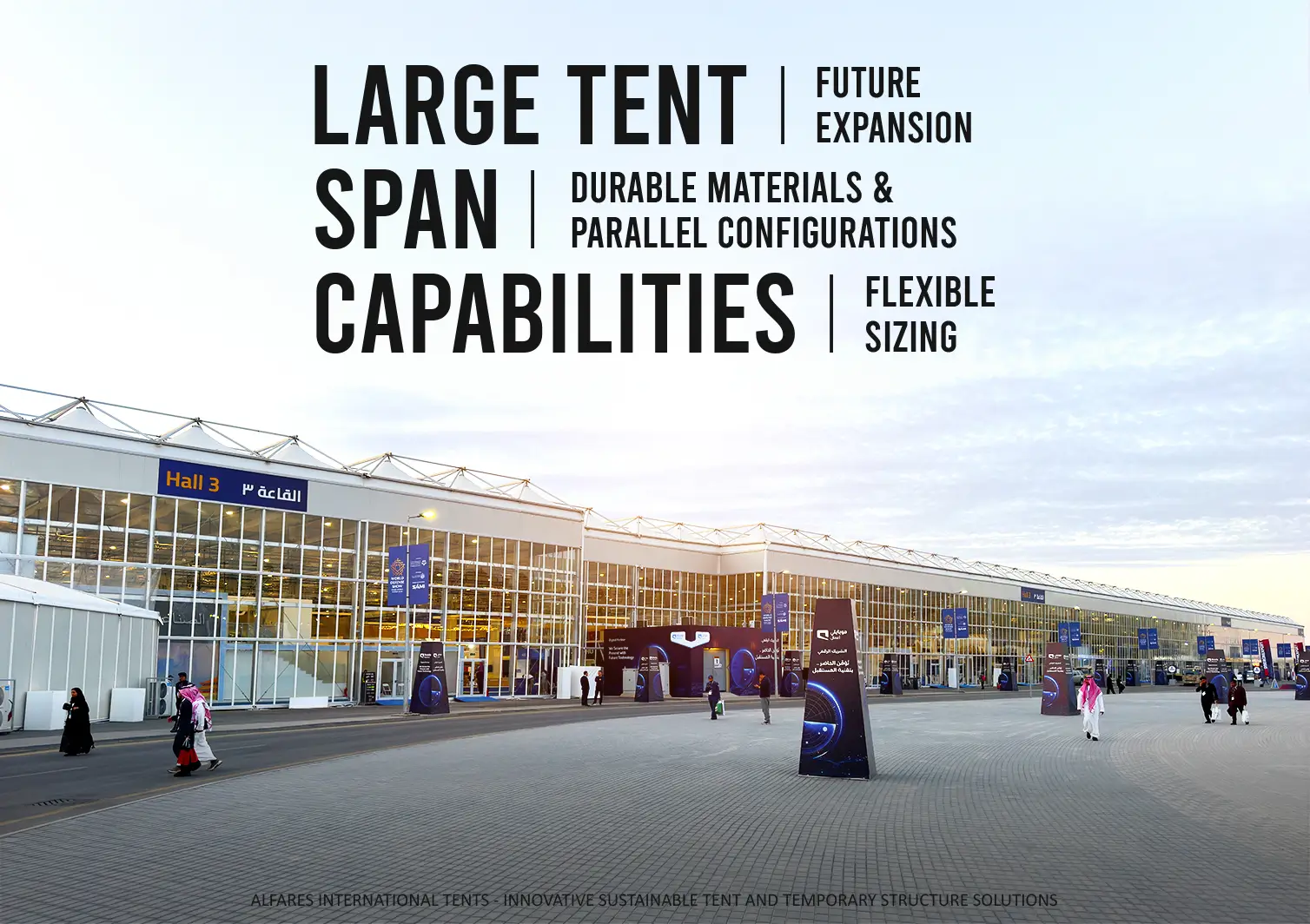
Standard modular tent systems may offer spans ranging from approximately 3 metres to 60 metres, while specialized large-span structures can be engineered for widths of 80 metres, 90 metres, or more than 100 metres, depending on the design and engineering requirements.
The length can often be extended by adding modular sections. This allows the structure to accommodate changing space requirements without necessarily redesigning the entire system.
Actual dimensions and feasibility depend on engineering calculations, site conditions, local regulations, and the selected structural configuration.
Clear-Span Design for Maximum Usable Space
For applications requiring large, unobstructed interiors, clear-span tent structures provide an effective solution. By minimizing or eliminating intermediate support columns within the covered area, they create greater freedom for arranging equipment, displays, seating, and storage.
Clear-span designs are particularly useful for:
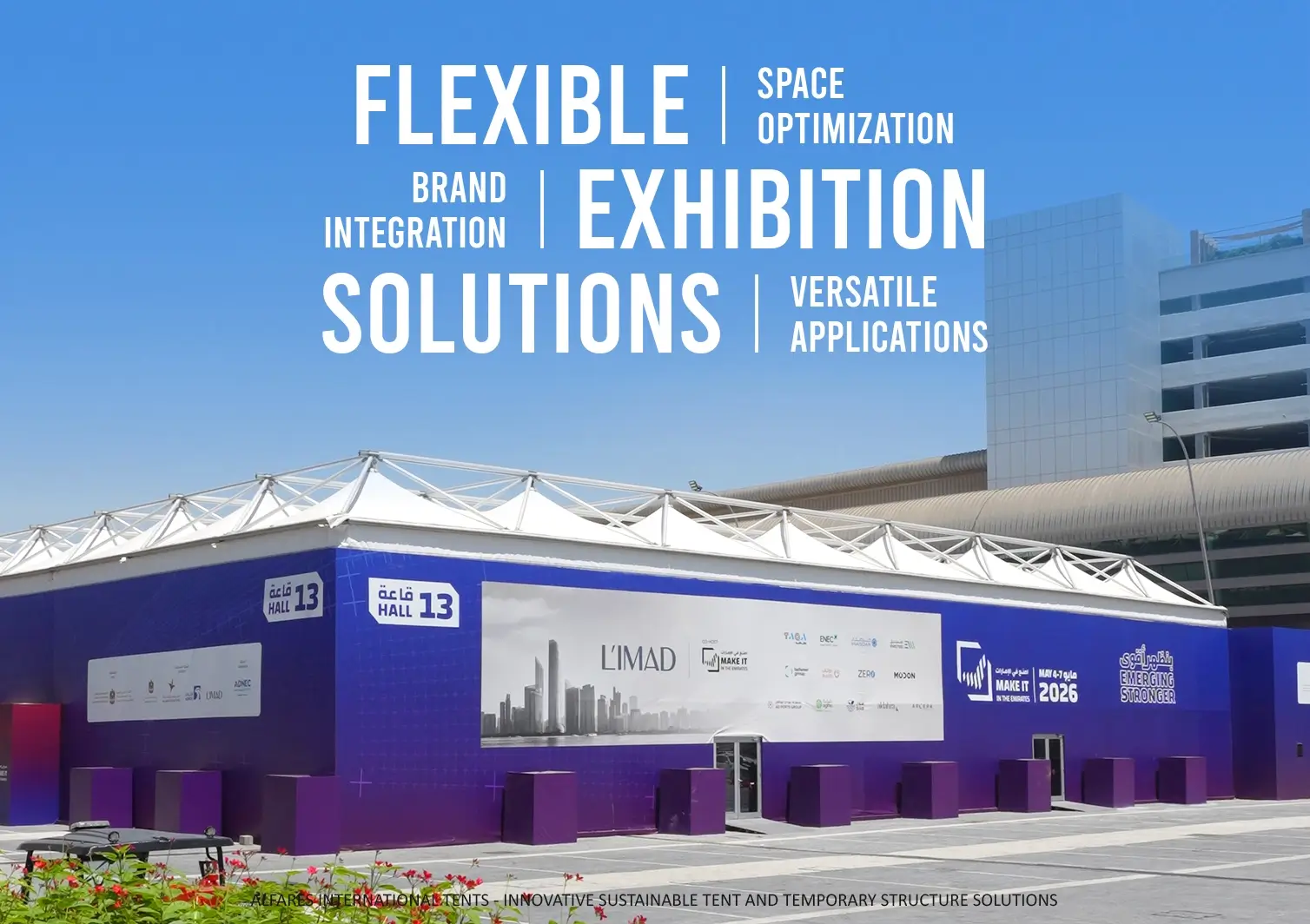
- Exhibition halls and trade shows
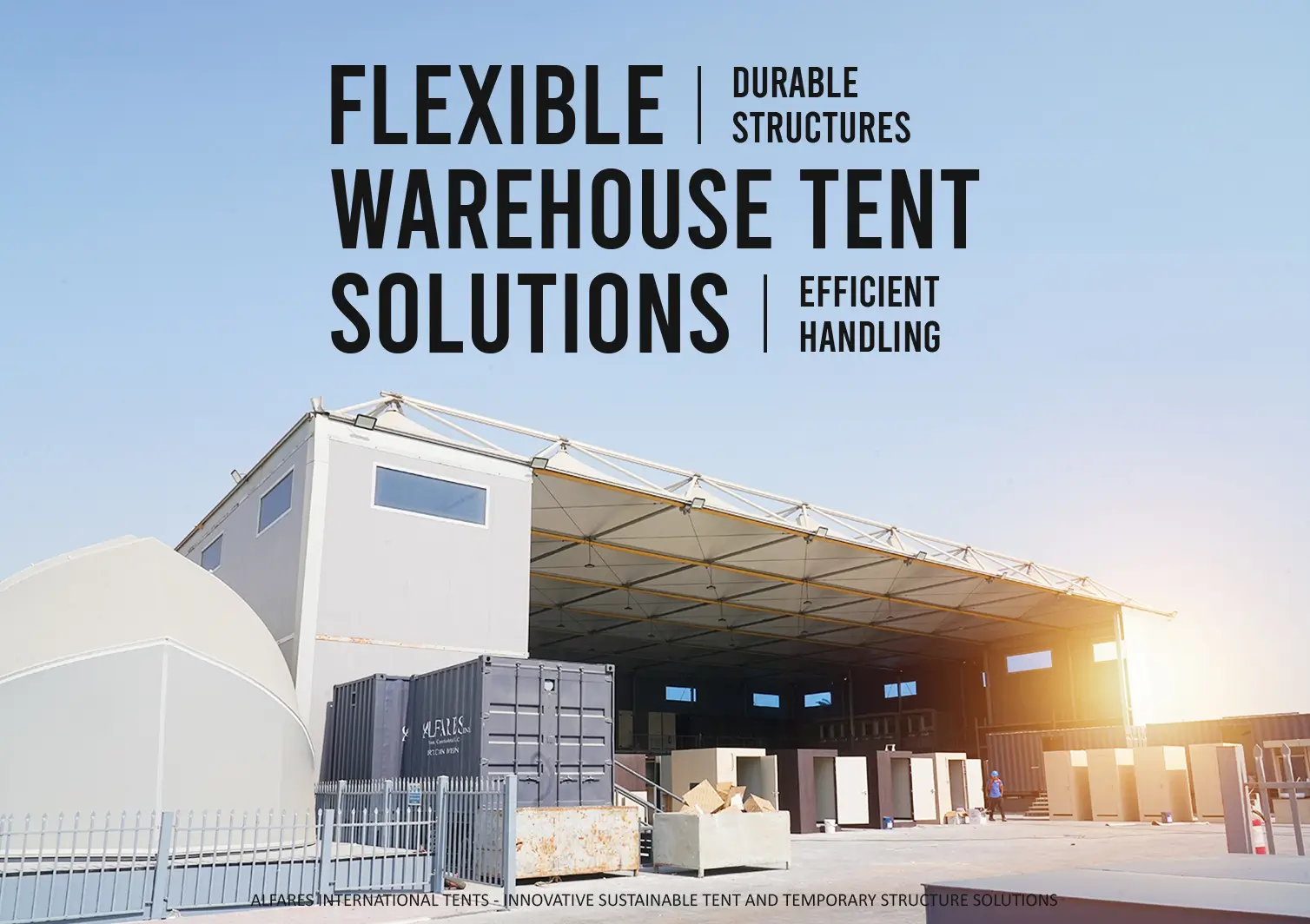
- Industrial and warehouse facilities
- Large sporting and corporate events
- Temporary production areas
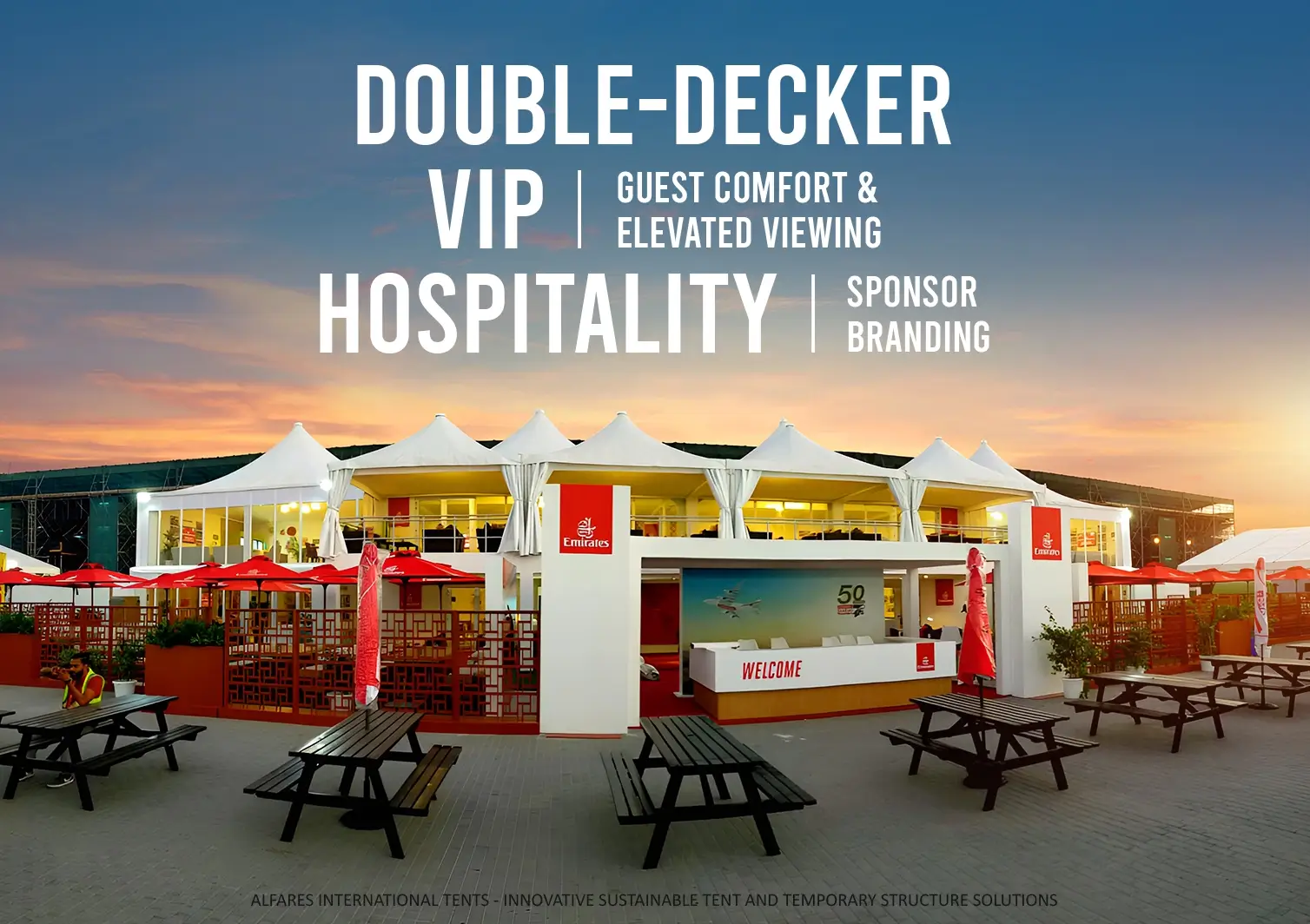
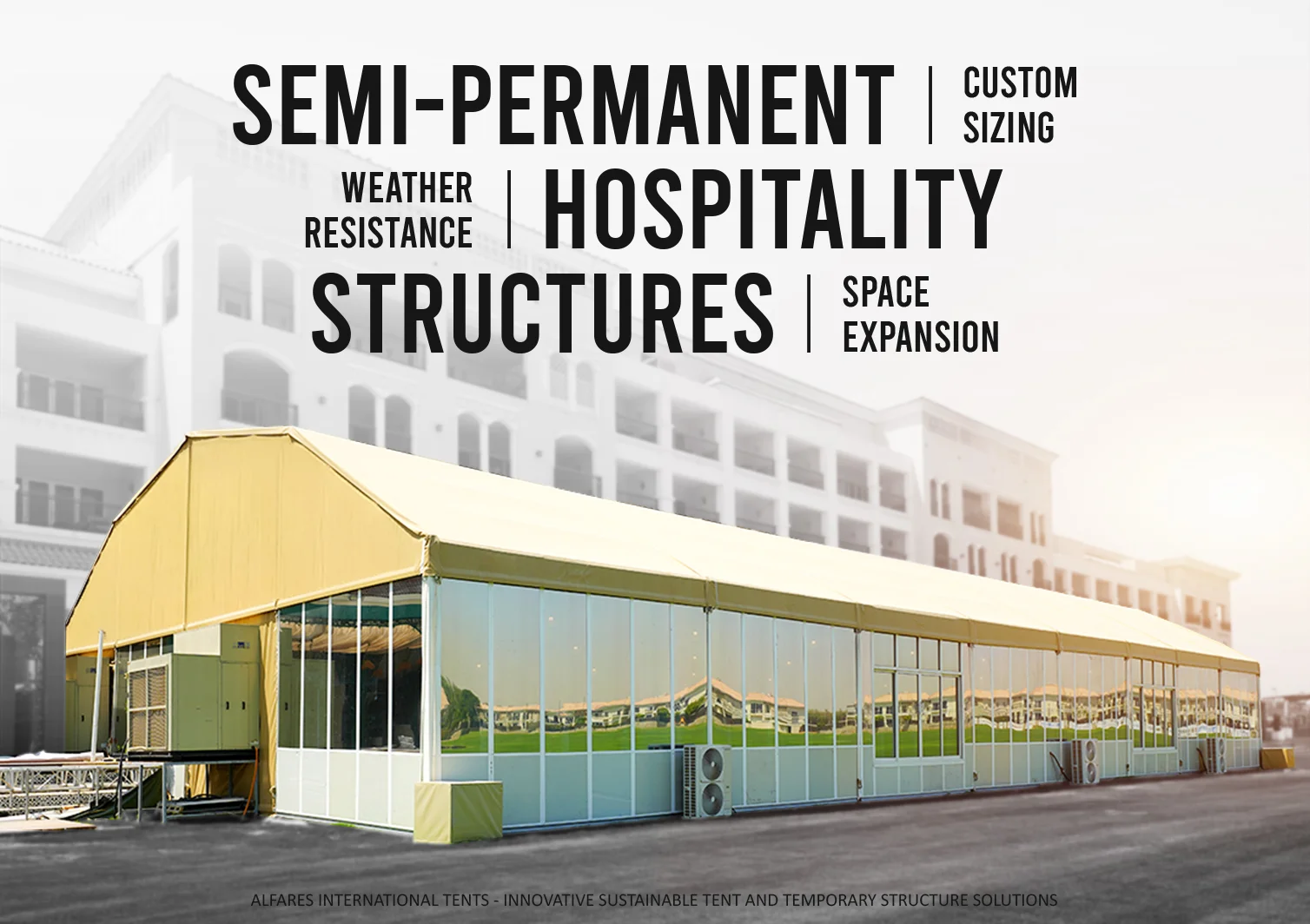
- Hospitality and reception spaces
The absence of internal columns can also improve movement throughout the space, making it easier to organize layouts around specific operational needs.
Modular Extensions for Future Expansion
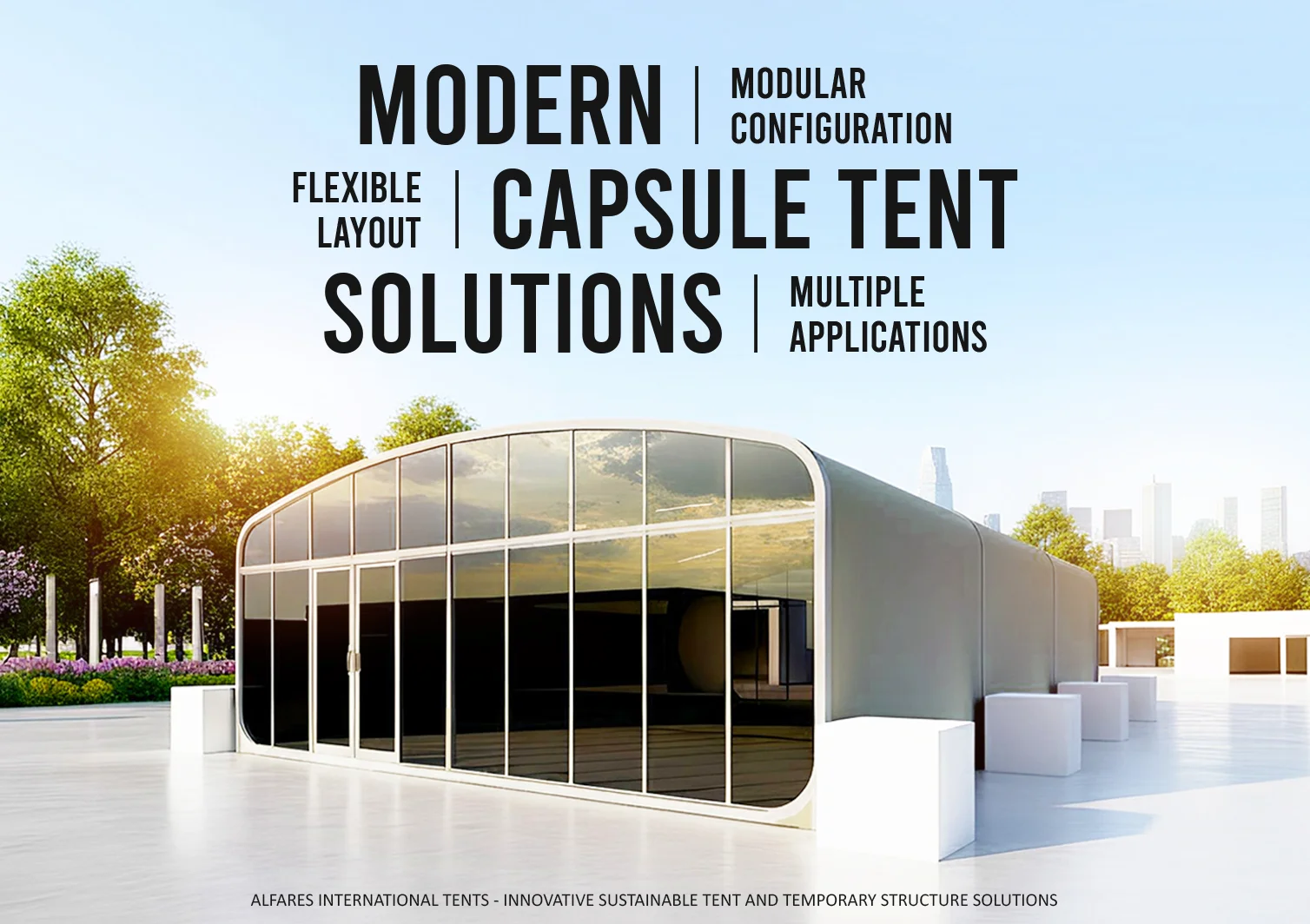
One of the main advantages of modular tent systems is their ability to expand. Additional sections can often be connected to increase the overall length, allowing businesses and event organizers to adjust the covered area as requirements evolve.
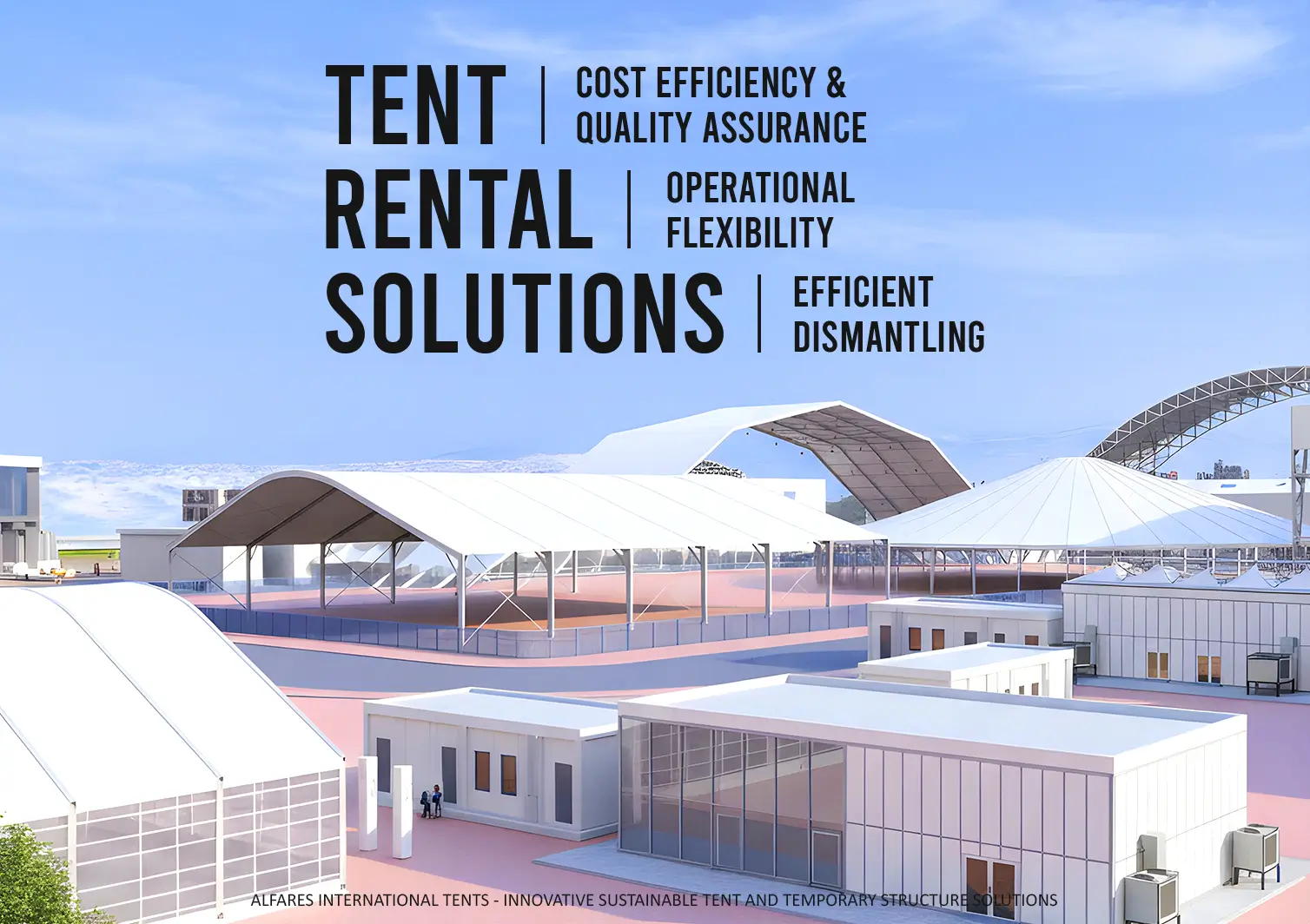
Multiple structures may also be positioned alongside one another to create larger connected spaces, subject to compatible design and engineering requirements.
This approach is useful for growing storage operations, expanding exhibition areas, temporary logistics facilities, and events that require different capacities over time.
Engineering Large Tent Structures for Safety
As tent dimensions increase, structural engineering becomes increasingly important. Wider spans and larger covered areas require careful consideration of loads, frame design, connections, anchoring, and environmental conditions.
Depending on the application, structures may use high-strength aluminium frames, engineered truss systems, and durable PVC-coated fabrics. Material selection and structural configuration should be based on the required span, anticipated wind conditions, site characteristics, and applicable safety standards.
For particularly large structures, detailed engineering assessments and suitable installation methods are essential to achieving the required structural performance.
What Determines the Maximum Tent Size?
There is no single maximum size that applies to every tent structure. The feasible dimensions depend on several factors:
- Span requirements: The width needed to cover the area without internal columns.
- Length and configuration: The number of modular sections and the overall layout.
- Site conditions: Available space, ground capacity, anchoring possibilities, and access.
- Structural system: Frame materials, trusses, connections, and engineering design.
- Environmental conditions: Wind loads, rainfall, and other relevant site-specific factors.
- Intended application: Storage, exhibitions, events, hospitality, or industrial use.
Considering these factors early in the planning process helps determine an appropriate and practical structural solution.
Customized Tent Solutions by Alfares International Tents
Alfares International Tents & Construction Metal LLC provides tent and structural solutions for projects with different dimensions, layouts, and operational requirements.
From smaller modular installations to expansive clear-span structures, the design can be developed around the available site, required coverage, intended use, and future expansion plans.
Whether you need a large exhibition venue, an industrial storage facility, or a covered space for a major event, the right combination of dimensions and structural design can help maximize usable space.
Planning a large-scale tent project? Contact Alfares International Tents to discuss a customized structure tailored to your space requirements.
Call: +971 54 400 2658
Email: info@alfaresintl.com
Explore more: https://alfarestents.com/en/structures