October 20, 2026 | By: Alfares International Tents
Tent Rental Services: From Planning to a Fully Functional Space
Tent rental services provide businesses and event organizers with temporary covered spaces tailored to their operational requirements. Beyond supplying the tent itself, a comprehensive rental service can include project planning, transportation, installation, flooring, lighting, climate control, and other essential facilities.
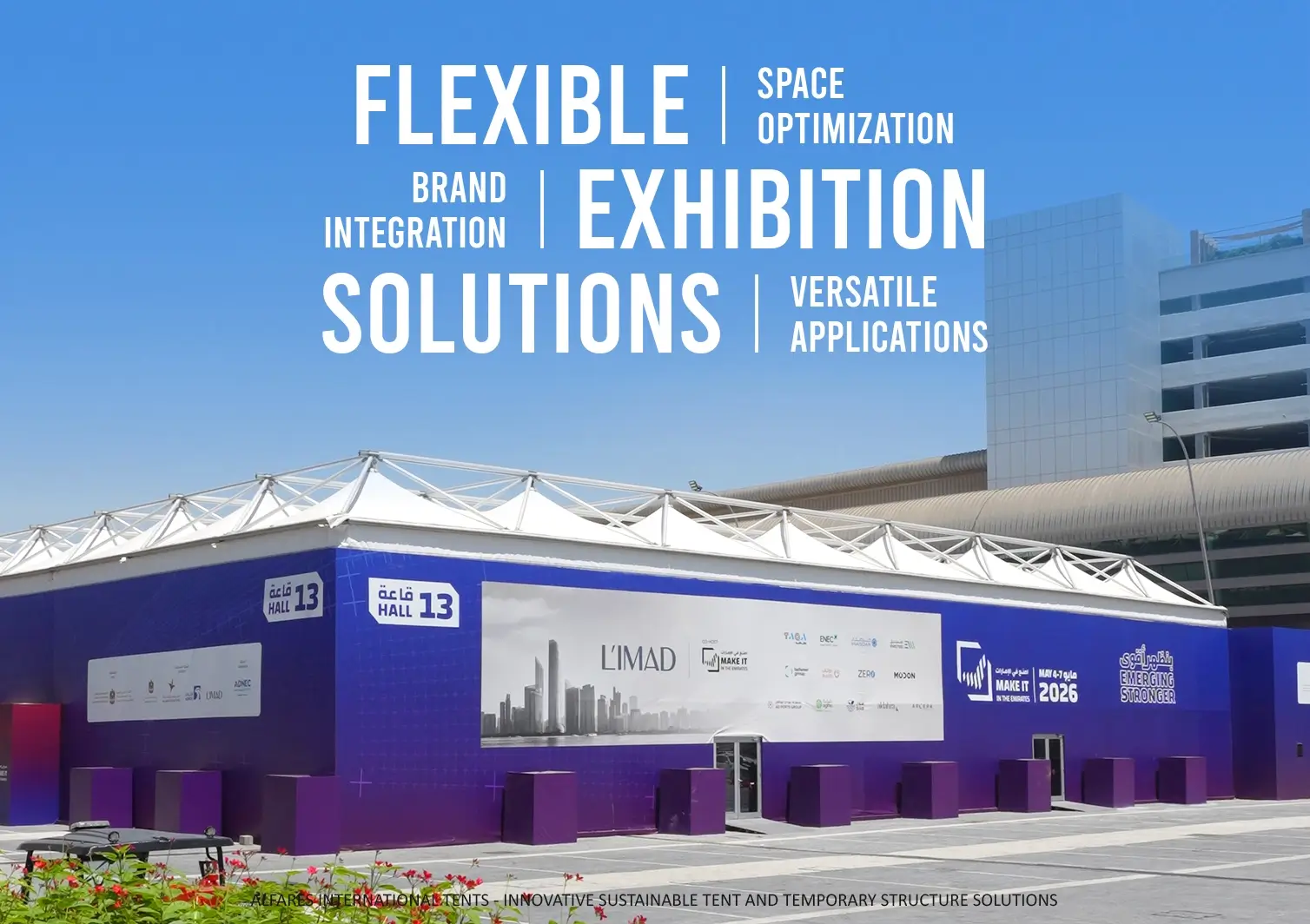
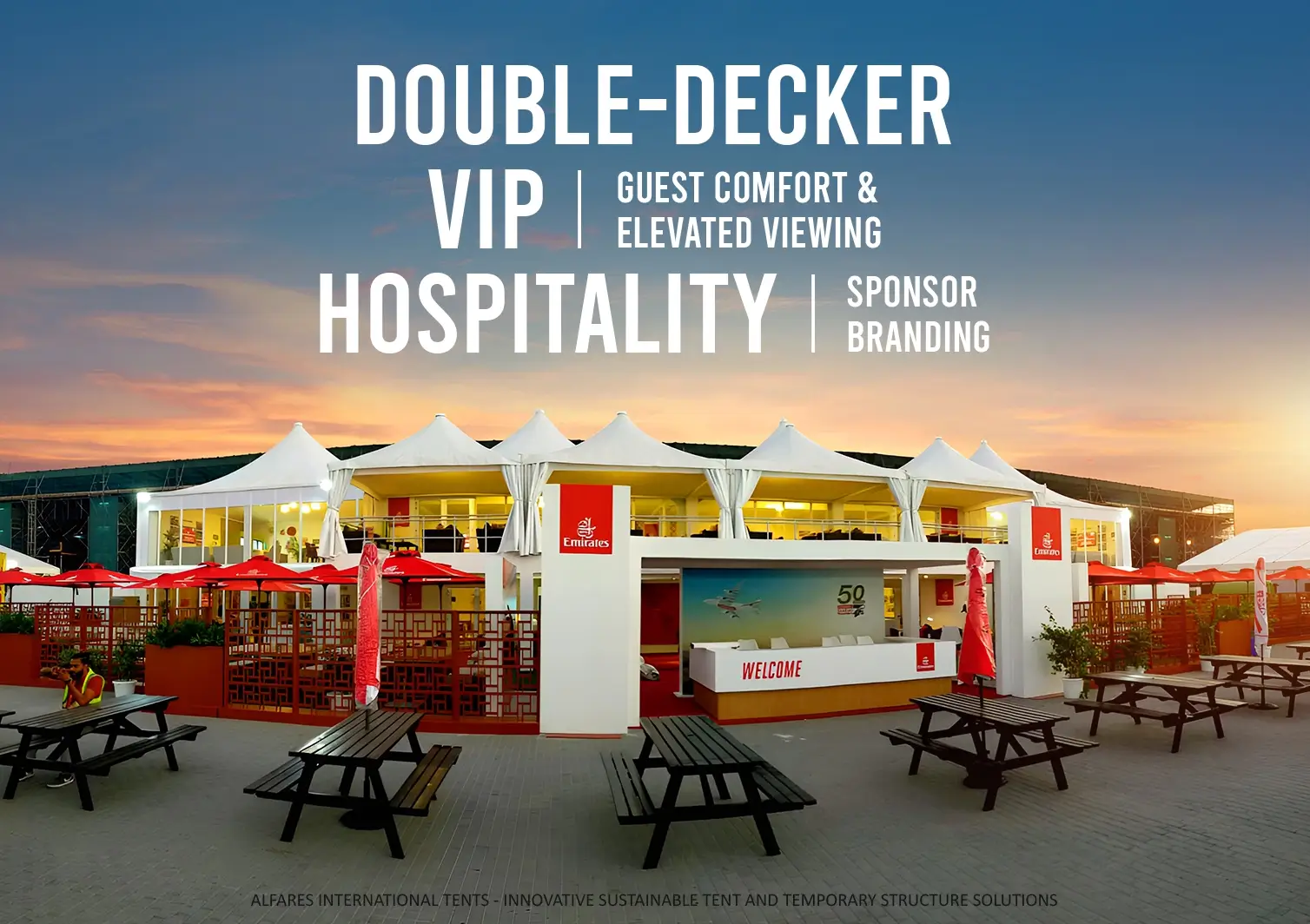
Whether the requirement involves an outdoor exhibition, a corporate event, a wedding, a hospitality venue, or temporary industrial storage, renting a tent offers flexibility without the long-term commitment of permanent construction. Understanding the different stages of the rental process helps clients select a solution that meets their space, schedule, and site requirements.
Project Assessment and Solution Planning
Every successful tent rental project begins with a clear understanding of its purpose. The required covered area, expected occupancy, duration of use, site conditions, and intended layout all influence the selection of a suitable structure.
During the initial consultation, the rental provider evaluates these requirements and recommends appropriate tent configurations, dimensions, and supporting facilities. Budget considerations, installation deadlines, access routes, and local site regulations should also be considered during this stage.
Early planning helps establish realistic project timelines, identify potential challenges, and ensure that the proposed rental solution aligns with the client’s objectives.
Design, Engineering and Manufacturing
Once the project requirements have been established, the next step is to translate the concept into detailed 2D drawings and 3D visualizations. These designs provide a clear representation of the proposed tent structure, including its dimensions, layout, structural configuration, and integration of supporting facilities. The 2D drawings communicate technical details and measurements, while 3D models help visualize the overall form, spatial arrangement, and appearance before production begins. This stage ensures that the client and project team have a clear understanding of the proposed solution.
The engineering process builds on these designs by assessing relevant loading conditions, structural stability, connection details, and anchoring requirements. Factors such as internal clear spans, access points, intended occupancy, and site conditions are considered to ensure that the proposed structure meets the technical and functional requirements of its intended application.
Where the project requires newly manufactured or customized components, production follows the approved design and engineering specifications. Depending on the tent system, this may involve fabricating structural frames and metal components, processing and welding PVC fabric, and manufacturing compatible accessories.
Quality checks throughout the process help verify that components meet the required specifications before they are prepared for delivery. Coordinating 2D and 3D design, engineering, and manufacturing in advance also helps streamline installation and reduce the likelihood of delays caused by missing or incompatible components.
Transportation and Professional Installation
Once the structure and project specifications have been confirmed, transportation and installation can be coordinated according to the project schedule.
Modular tent systems are designed to simplify handling, assembly, and dismantling. Their components can be transported to the designated location and installed by trained personnel using appropriate equipment and approved installation procedures.
Before work begins, the site should be assessed for ground conditions, available space, access restrictions, and suitable anchoring or ballast arrangements. Installation planning must also account for relevant wind loads, structural requirements, and site-specific safety considerations.
A coordinated installation process helps minimize delays and prepares the structure for its intended use within the agreed timeframe.
Interior Fit-Out and Supporting Equipment
A tent becomes a functional space when its interior is configured to support the activities taking place inside it. Depending on the application, rental packages can include a range of additional equipment and fit-out options.
Common additions include:
- Flooring systems: Raised platforms, temporary floors, carpets, and protective floor coverings.
- Climate control: Air conditioning, ventilation, and other temperature-management solutions.
- Lighting and electrical systems: Interior lighting, power distribution, and electrical connections.
- Safety and access equipment: Barriers, access ramps, emergency exits, and other project-specific provisions.
- Interior finishes: Curtains, partitions, decorative elements, and customized layouts.
- Event infrastructure: Temporary stages, seating arrangements, display areas, and supporting equipment.
The exact combination depends on the structure, intended use, environmental conditions, and applicable safety requirements. Selecting these elements during the planning stage helps create a more organized and comfortable environment while reducing the need for last-minute additions.
Rental Duration, Maintenance, and Project Coordination
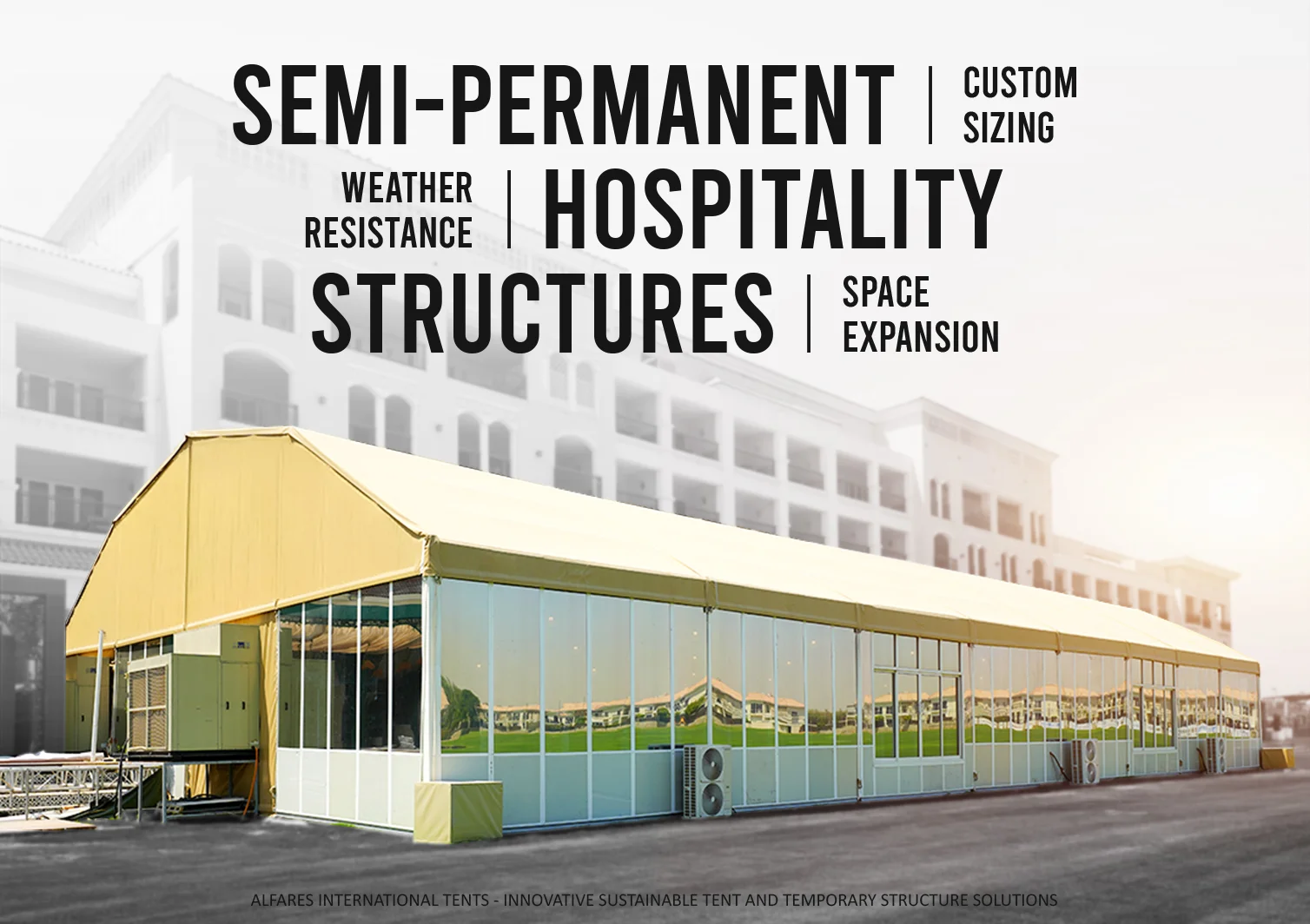
Tent rental requirements vary considerably between projects. A weekend event may require a short installation and dismantling cycle, while a temporary warehouse or semi-permanent operational facility may remain in use for an extended period.
The rental agreement should clearly define the hire period, installation and removal schedules, responsibilities for maintenance, and procedures for handling equipment issues. For longer-term applications, periodic inspections and maintenance arrangements can help identify wear, damage, or other conditions that require attention.
Clear communication between the client and rental provider also helps coordinate changes to the schedule, additional equipment requirements, and any adjustments needed during the rental period.
Dismantling and Equipment Collection
When the rental period ends, the structure and associated equipment must be removed in a controlled and organized manner.
The dismantling process typically involves disconnecting services, removing interior fittings, taking down the structural components, and preparing the equipment for transportation. Site restoration and waste handling may also be required, depending on the project scope and rental agreement.
A planned removal schedule helps prevent unnecessary disruption, supports safe handling of materials, and allows the site to be returned to its intended condition.
How to Choose the Right Tent Rental Provider
Selecting a rental provider involves more than comparing tent dimensions and prices. Clients should evaluate the company’s technical capabilities, equipment availability, installation experience, and ability to coordinate the full project scope.
Before confirming a rental agreement, consider the following:
- Structure suitability: Does the proposed tent meet the project’s space, height, layout, and environmental requirements?
- Installation expertise: Does the provider have an experienced team and a defined installation process?
- Equipment availability: Can the company supply the required flooring, lighting, climate control, and other accessories?
- Safety and compliance: Are structural specifications, anchoring methods, fire performance, and other applicable requirements properly addressed?
- Schedule management: Can delivery, installation, operation, and dismantling be coordinated within the required timeframe?
- Commercial transparency: Are rental charges, transportation, installation, additional equipment, maintenance, and removal clearly defined?
Reviewing these factors helps clients make informed decisions and reduces the likelihood of unexpected costs or operational challenges.
Conclusion
Tent rental services offer a practical way to create temporary spaces for events, commercial activities, hospitality operations, and industrial applications. By combining the right structure with suitable equipment, professional installation, and coordinated project management, clients can develop functional spaces that meet their requirements without committing to permanent construction.
The key is to approach tent rental as a complete project rather than a standalone equipment purchase. Careful planning, clear communication, and a capable rental provider help ensure that every stage, from initial consultation to final dismantling, is managed efficiently.
Planning a temporary space for your next project? Contact Alfares International Tents to explore tent structures and customized solutions for your application.
Call: +971 54 400 2658
Email: info@alfaresintl.com
Explore more: https://alfarestents.com/en