November 13, 2026 | By: Alfares International Tents
Why Is Design Innovation Important in the Tent Industry?
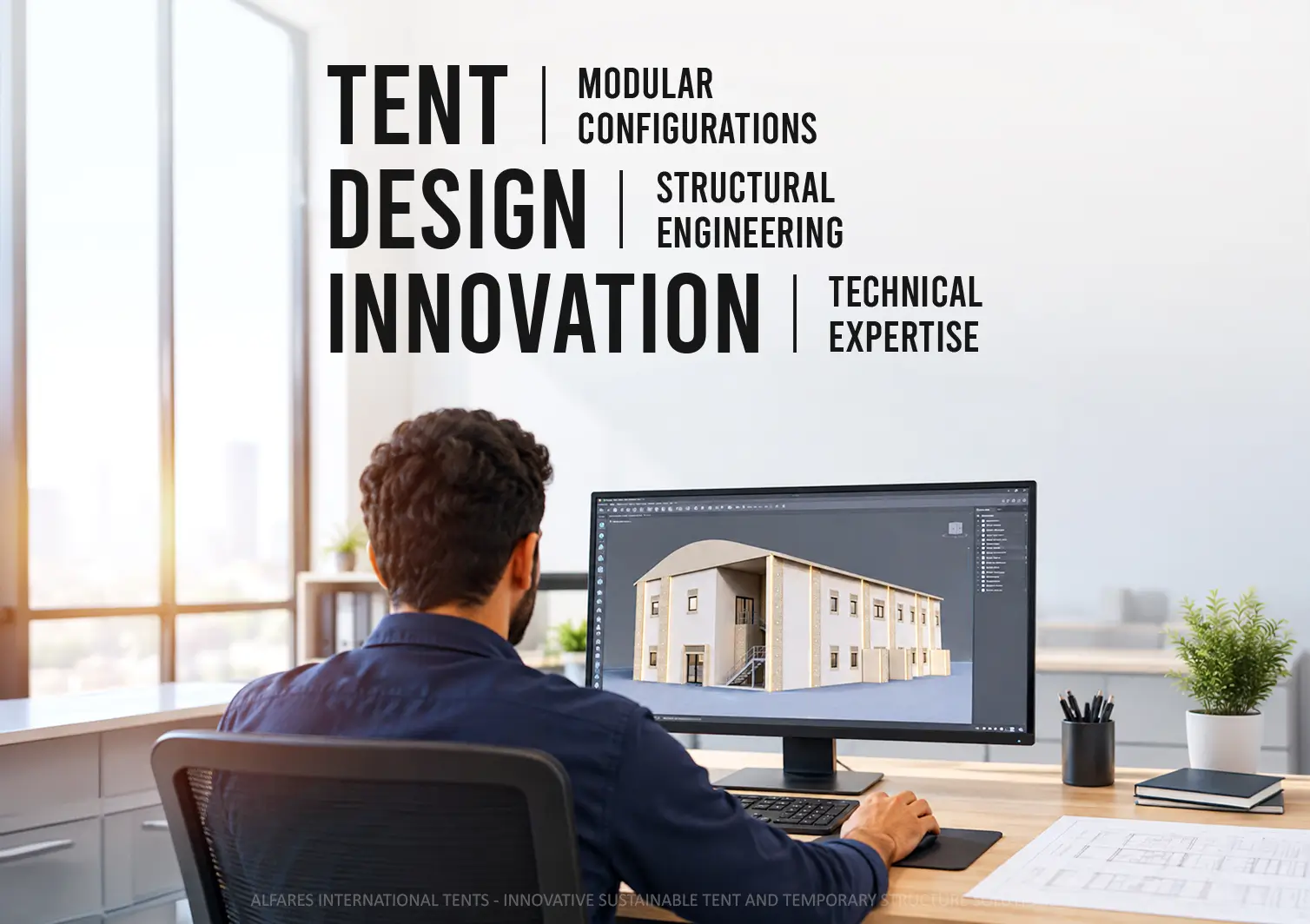
Design plays a central role in the development of modern tent structures. It determines how a structure looks, how effectively it uses available space, and how well it responds to different project requirements. As demand grows across events, exhibitions, industrial facilities, and temporary infrastructure, manufacturers must develop solutions that go beyond standard designs.
The ability to create and refine structural concepts allows manufacturers to respond to changing market needs, introduce new configurations, and offer greater flexibility to clients. In an increasingly competitive industry, design innovation is an important part of long-term development.
Design as a Foundation for Product Development
Every successful tent structure begins with a clear understanding of its intended application. An exhibition venue may require wide, unobstructed interiors, while an industrial facility may prioritise functional layouts, durability, and efficient access.
Design development brings these requirements together through structural planning, material selection, dimensions, connection systems, and architectural details. Manufacturers with in-house design and engineering capabilities can evaluate different configurations and adapt their products to specific project conditions.
This approach also makes it possible to improve existing structures rather than relying exclusively on conventional designs.
Engineering New Structural Possibilities
Innovation in the tent industry is not limited to appearance. It also involves developing structural systems that offer new ways to use covered space.
Some examples of specialised tent configurations include:
- Inflatable Roof Structures: Use pressurised or air-supported systems to create distinctive roof configurations.
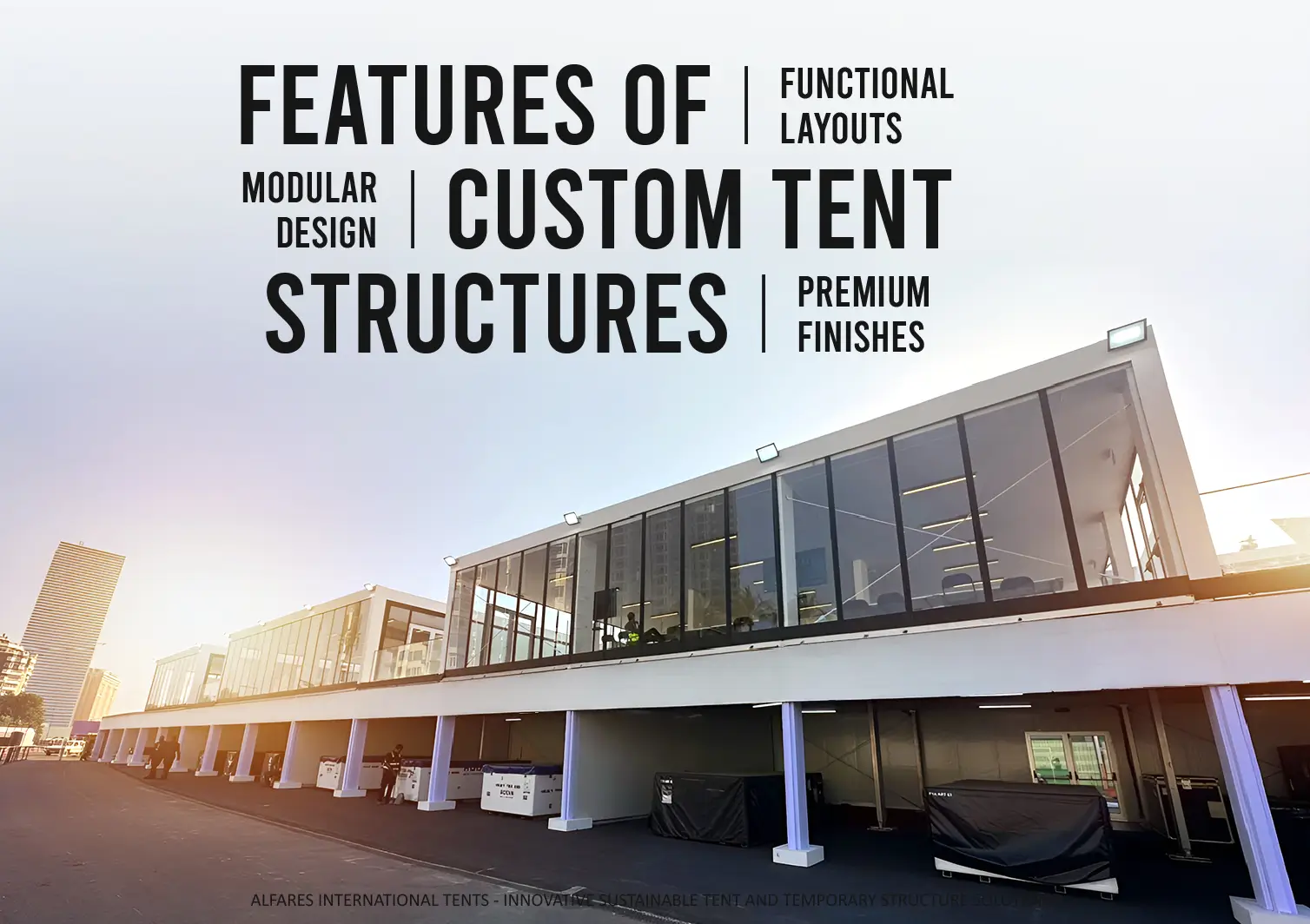
- Double-Decker Tents: Provide multiple usable levels for projects that require additional floor space.
- High-Peak Structures: Introduce distinctive roof profiles for event and exhibition applications.
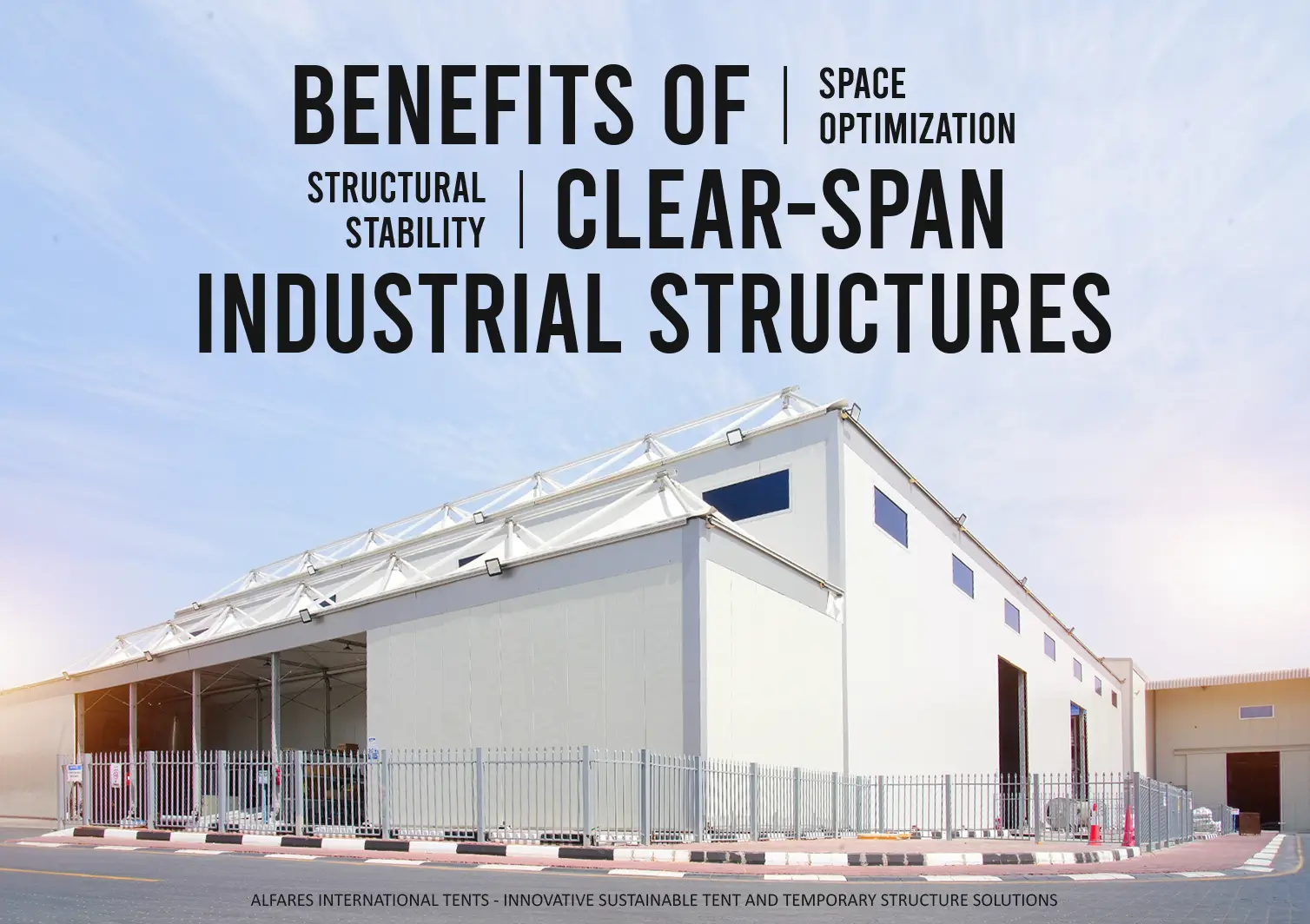
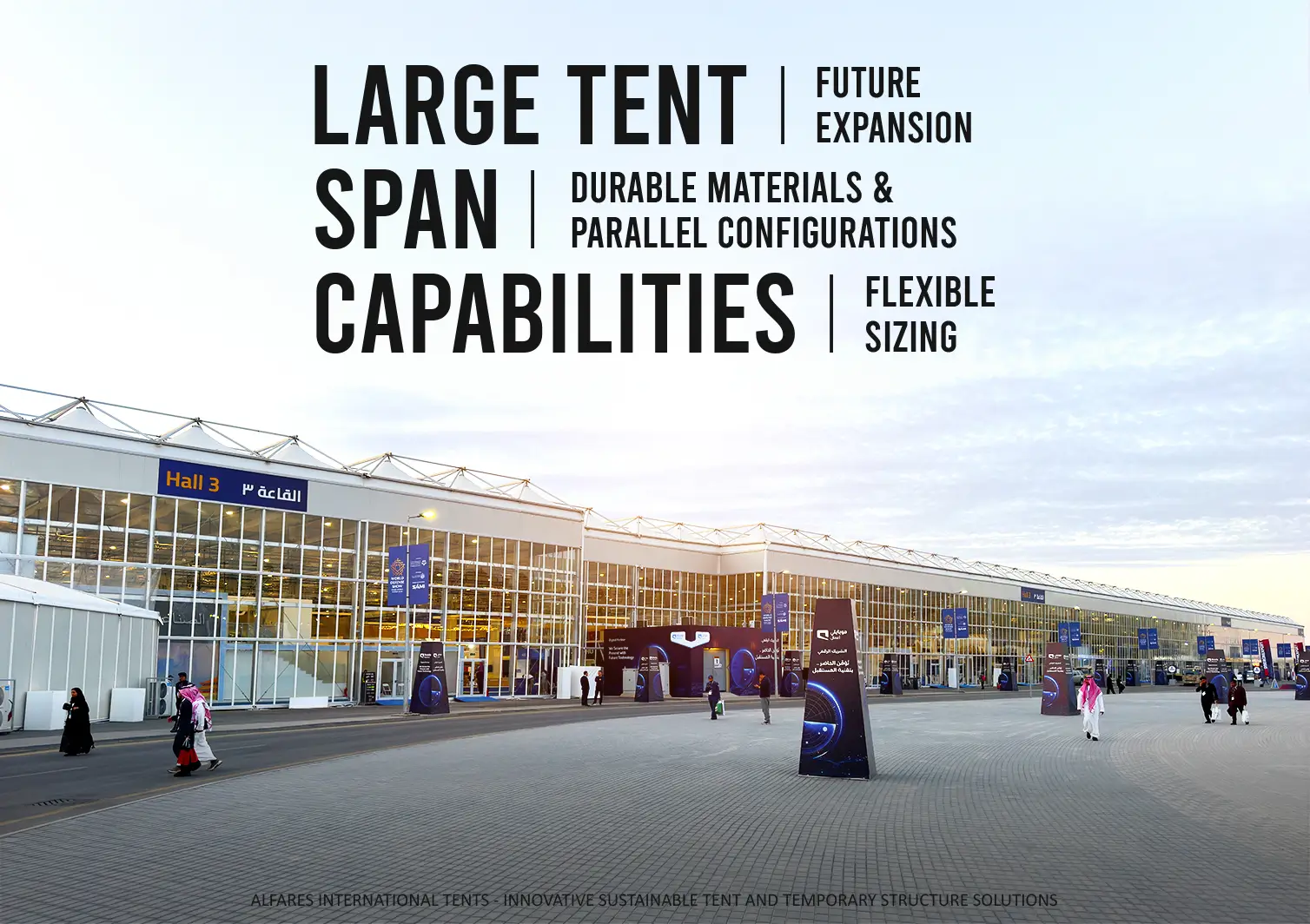
- Wide Clear-Span Tents: Create large covered areas with fewer internal obstructions, supporting flexible layouts.
Each configuration addresses different spatial, functional, and architectural requirements. Their development depends on engineering analysis, appropriate materials, and careful consideration of the intended operating conditions.
The Role of Research and Development
Continuous product development helps manufacturers improve structural performance, installation methods, material efficiency, and design flexibility.
Research and development can involve testing alternative frame configurations, refining connection details, evaluating fabric materials, and improving manufacturing processes. These activities help identify opportunities to make structures more practical, adaptable, and efficient.
Feedback from completed projects also provides valuable information. Understanding how structures perform during installation and operation can guide future design improvements.
Protecting Original Designs and Intellectual Property
As manufacturers introduce new structural concepts and technical solutions, intellectual property becomes an important consideration. Design registrations and patents, where applicable, can protect original innovations and recognise the technical work involved in product development.
For tent manufacturers, this can include distinctive structural arrangements, specialised mechanisms, connection systems, or other technical developments that meet the relevant requirements for intellectual property protection.
Beyond legal protection, a strong design portfolio can demonstrate a company’s investment in engineering knowledge and product innovation.
Responding to Changing Market Requirements
The tent industry serves a wide range of sectors, each with different expectations. Event organisers may seek distinctive architectural forms, exhibition companies may need large open interiors, and industrial operators may require practical structures for storage or operations.
Design flexibility allows manufacturers to address these differences through customised dimensions, alternative roof configurations, modular layouts, and integrated features.
It also supports the development of structures for emerging applications, where standard solutions may not provide the required combination of space, functionality, and appearance.
Turning Engineering Ideas into Practical Structures
Strong design capabilities are most valuable when supported by manufacturing expertise. A concept must be translated into accurate components, reliable connections, and a structure that can be manufactured, transported, and installed efficiently.
At Alfares International Tents & Construction Metal LLC, design and engineering are supported by manufacturing capabilities across steel and aluminium fabrication, PVC fabrication, fit-out, and related production processes. This enables the development of tent structures and modular solutions for exhibitions, events, industrial applications, and other specialised requirements.
As the industry continues to evolve, investment in design, engineering, and production capabilities will remain essential to developing structures that respond to increasingly diverse project demands.
Looking for an engineered tent solution? Contact Alfares International Tents to discuss your project requirements.
Call: +971 54 400 2658
Email: info@alfaresintl.com
Explore more: https://alfarestents.com/en/structures