November 3, 2026 | By: Alfares International Tents
Can Tent Structures Adapt to Challenging Sites?
Choosing a location for a tent structure involves more than identifying the available space. Ground conditions, weather exposure, site accessibility, and project requirements all influence the design and installation process. From uneven outdoor terrain to coastal environments and large industrial sites, each location presents different considerations that must be addressed before construction begins.
With suitable structural design, site preparation, and installation planning, tent structures can accommodate a wide range of applications. At Alfares International Tents, solutions can be customized to suit specific site conditions, functional requirements, and project objectives.
Working with Uneven and Difficult Terrain
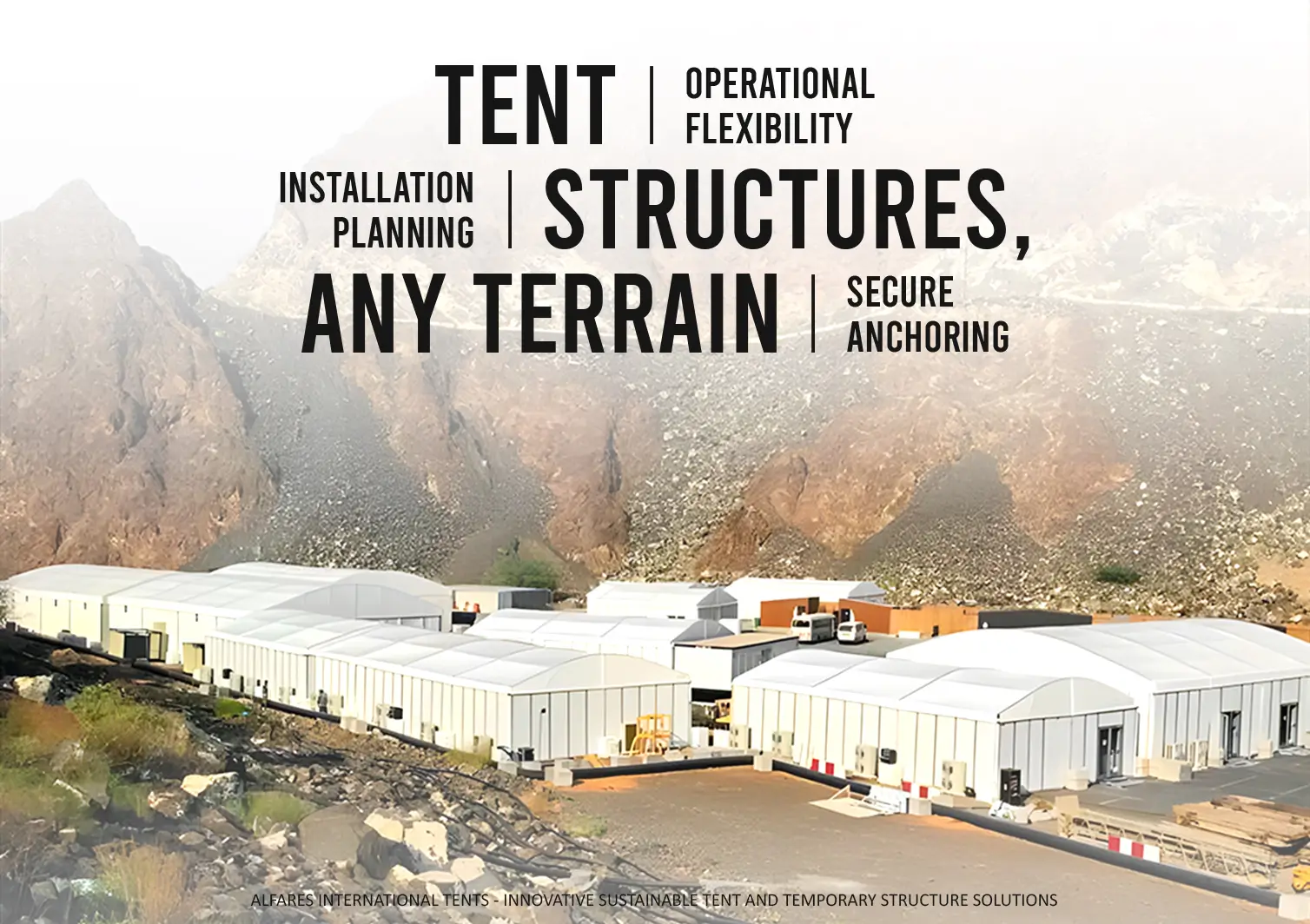
Not every installation site offers a flat, prepared surface. Sloping ground, irregular terrain, loose soil, and sandy areas can create challenges for structural alignment, anchoring, and stability.
A detailed site assessment helps determine whether ground levelling, engineered platforms, specialized foundations, or alternative anchoring methods are required. The appropriate approach depends on soil conditions, terrain variations, structural loads, and the selected tent system.
Where traditional ground anchors are unsuitable, engineered alternatives may be necessary to provide adequate support. Addressing these factors during the planning stage helps establish a more reliable installation and reduces the risk of unexpected site complications.
Preparing Structures for Local Climate Conditions
Environmental conditions are another important factor when determining where a tent structure can be installed. Wind exposure, heavy rainfall, high temperatures, humidity, and other weather conditions can affect structural performance and material durability.
The frame, roof covering, connections, drainage provisions, and anchoring system must be selected according to the project’s design requirements. In areas exposed to strong winds, the structure must be engineered for the applicable wind loads. Locations with significant rainfall also require appropriate roof slopes and drainage arrangements to manage water effectively.
For coastal or humid environments, corrosion-resistant materials and suitable protective finishes can help improve durability. Regular inspections and maintenance should also reflect the environmental conditions and intended service life of the structure.
Configuring Space Around Project Requirements
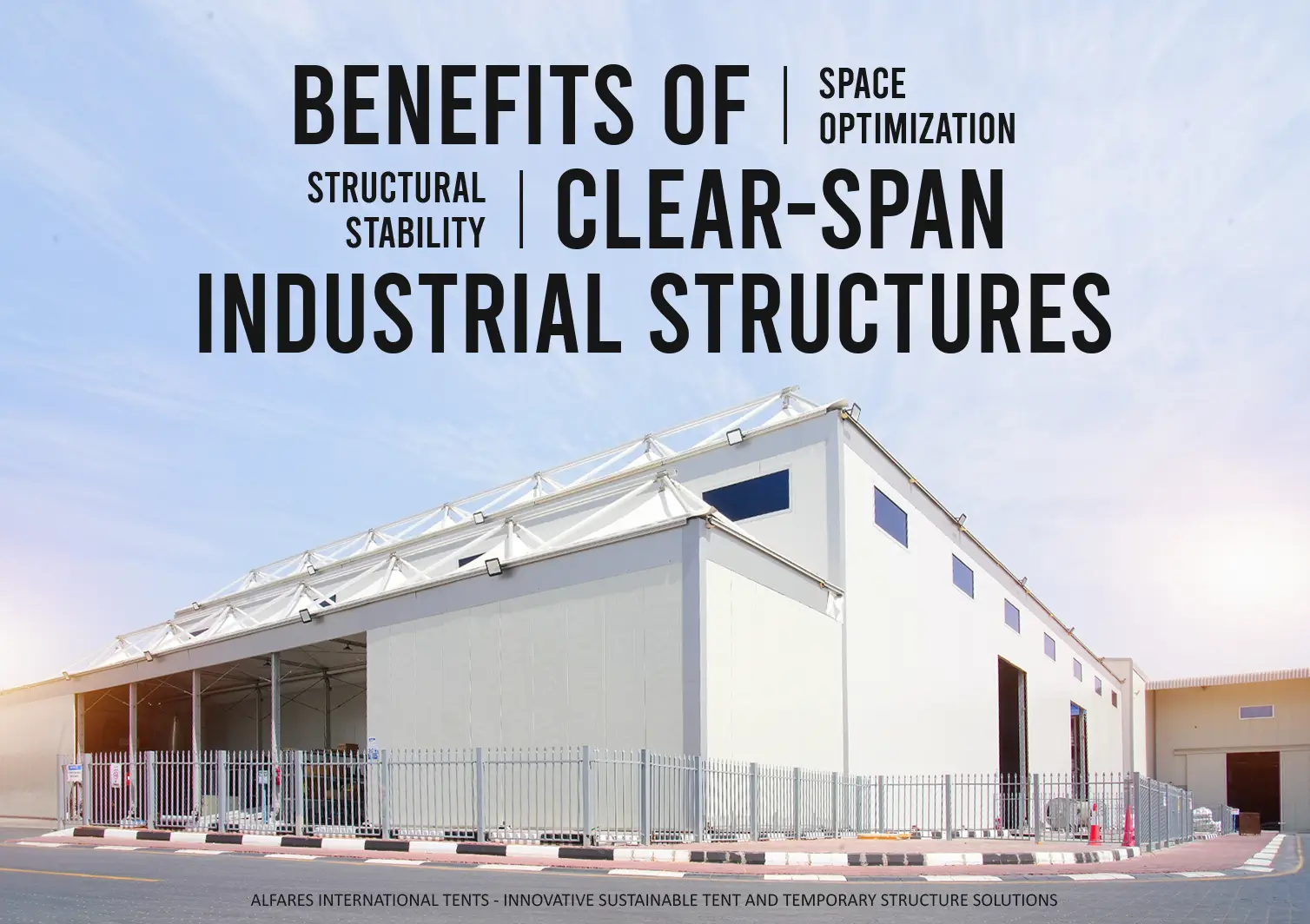
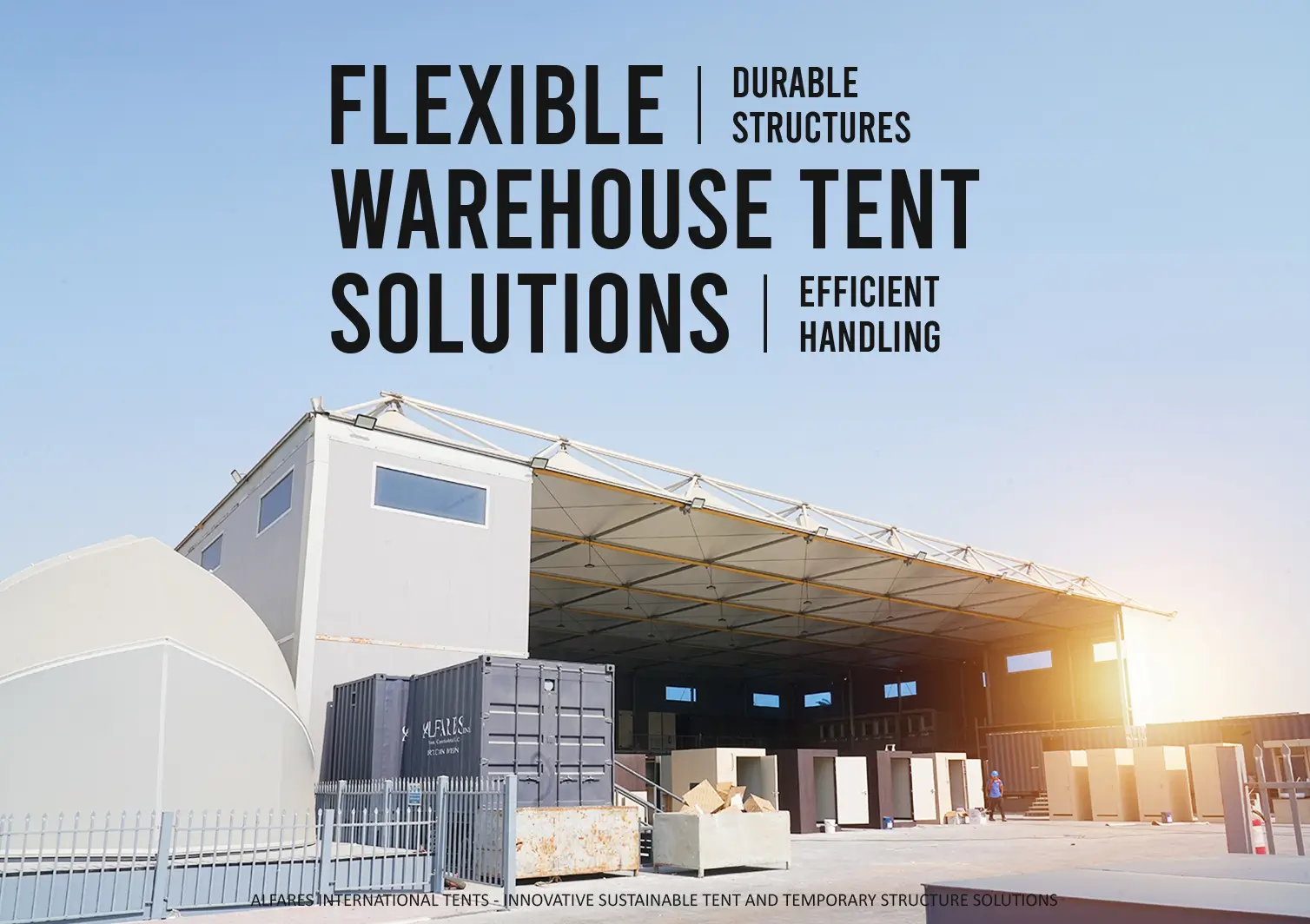
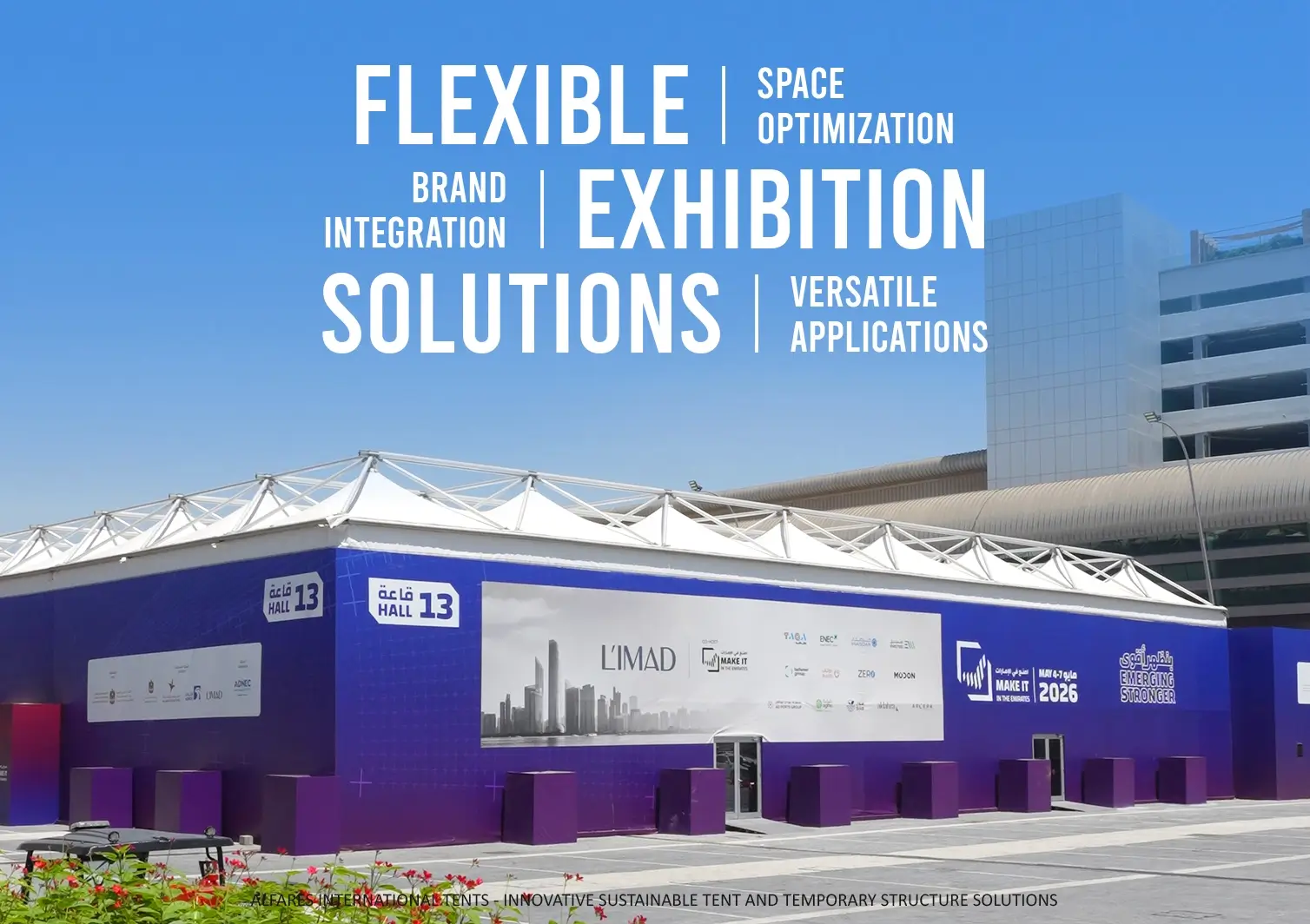
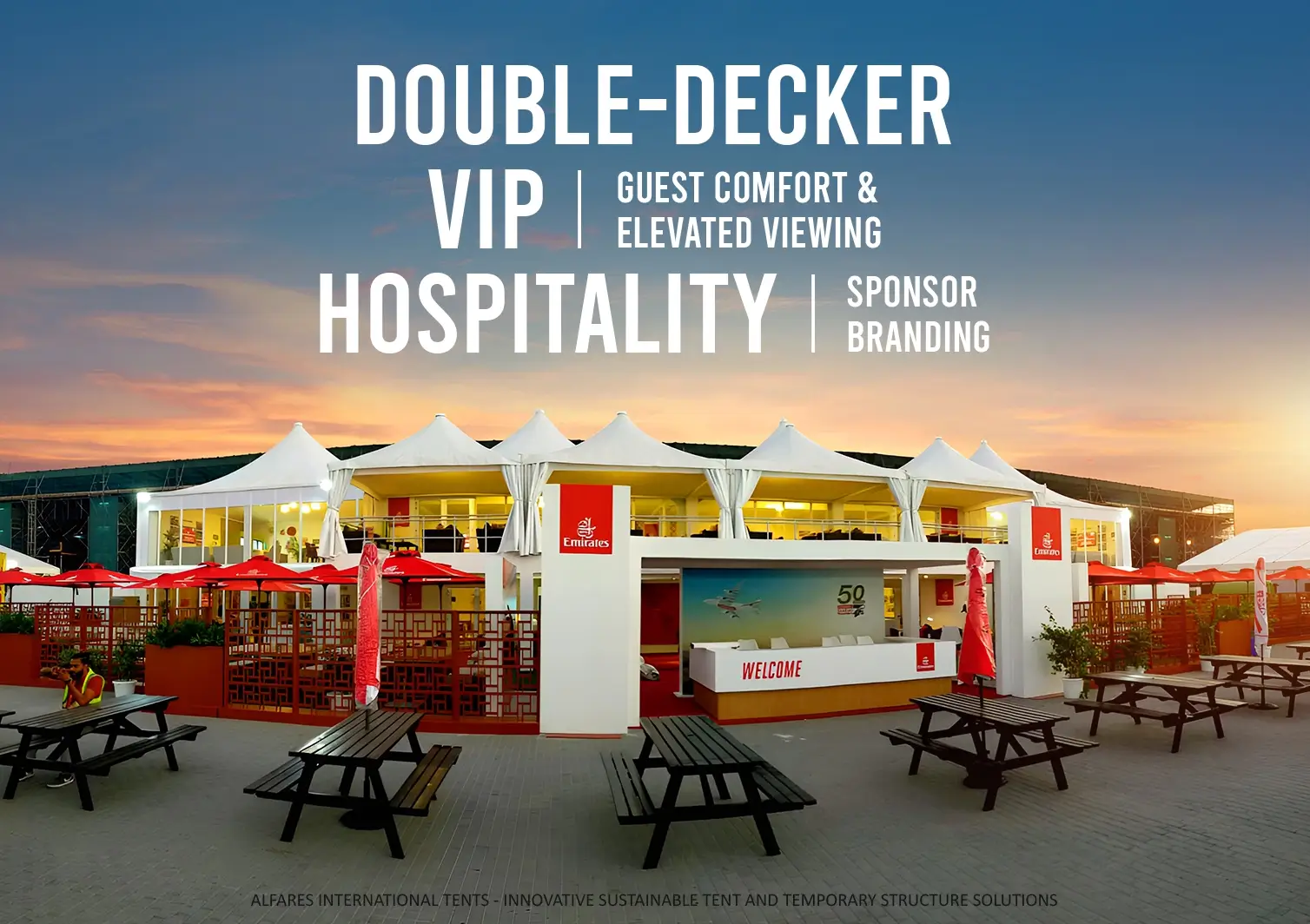
Tent structures are used across a variety of sectors, including exhibitions, hospitality, sports, industrial storage, and temporary facilities. Each application requires a different combination of dimensions, layout, access, and internal functionality.
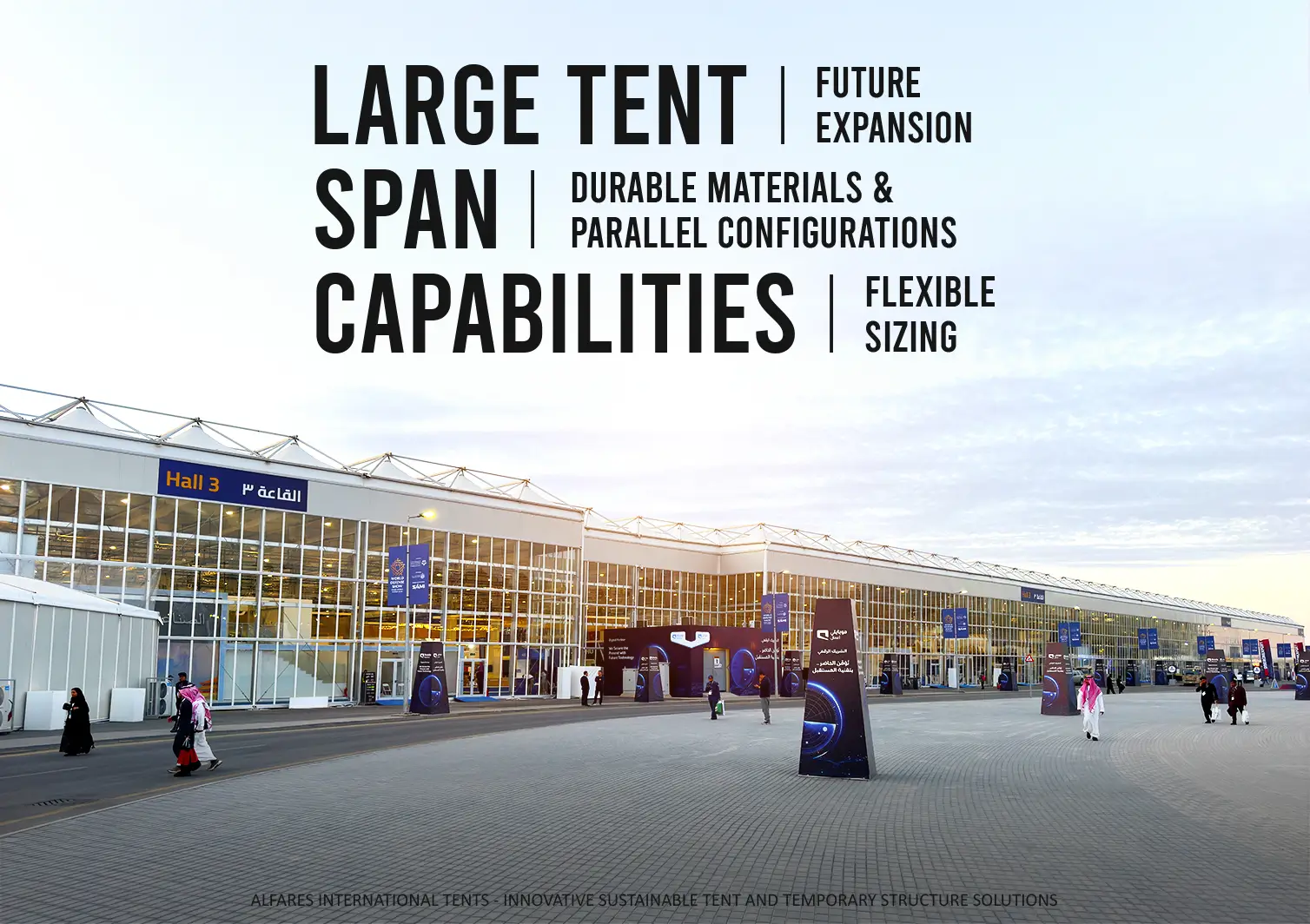
Modular structural systems offer flexibility by allowing suitable configurations to be developed around the available site and intended use. Depending on the design, sections can be connected to create larger covered areas or arranged to accommodate separate operational zones.
Internal planning is equally important. Vehicle access, pedestrian circulation, equipment movement, ventilation, lighting, and service integration should all be considered to ensure the completed space supports day-to-day operations.
Scaling Up or Relocating When Needs Change
Projects often evolve after the initial installation. An event may require additional covered space, a warehouse may need more storage capacity, or a temporary facility may need to be relocated.
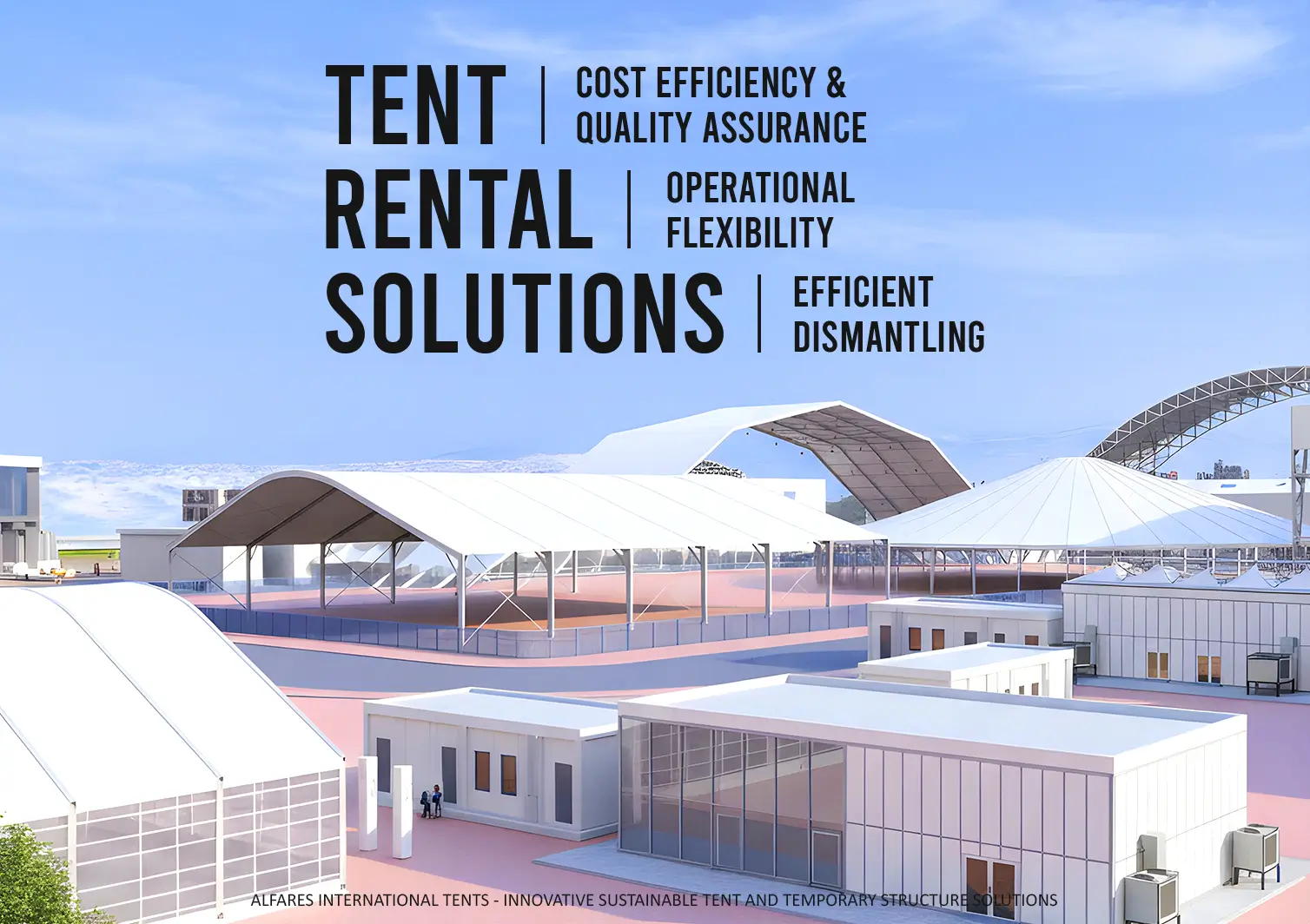
Modular tent systems can support these changing requirements through compatible extensions, reconfiguration, dismantling, or relocation. However, expansion must be evaluated against the original structural design, foundation capacity, connection details, and revised loading conditions.
Planning for potential changes from the beginning can make future adjustments more manageable and help organizations use their covered space more efficiently.
Evaluating Site Feasibility Before Construction
Before selecting a tent structure, project teams should evaluate the conditions that may affect installation, safety, and long-term performance.
Important considerations include:
- Terrain and soil: Ground levels, bearing capacity, drainage, and foundation suitability.
- Environmental exposure: Wind, rainfall, temperature, humidity, and potential corrosion.
- Installation access: Delivery routes, lifting equipment, working areas, and site logistics.
- Structural dimensions: Required span, height, covered area, and intended occupancy or use.
- Anchoring requirements: Suitable fixing systems based on the ground and engineering calculations.
- Regulatory compliance: Local permits, land-use restrictions, safety requirements, and applicable standards.
- Operational needs: Internal layouts, utilities, access points, and future expansion plans.
A thorough assessment allows the design and installation strategy to reflect actual site conditions rather than relying on assumptions.
When Is a Site Unsuitable for a Tent Structure?
Although tent structures can be adapted to many environments, not every site is suitable without significant modifications. Weak ground, severe environmental exposure, restricted access, underground utilities, or regulatory limitations may require additional investigation and specialized engineering.
In some cases, the necessary preparation may increase project costs or affect the installation schedule. In others, legal or environmental restrictions may prevent construction altogether.
The objective is to identify these limitations early and determine whether a safe, compliant, and practical solution can be developed for the proposed location.
Build Around Your Site, Not Its Limitations
A challenging location does not automatically rule out a tent structure. The right solution begins with understanding the terrain, environmental conditions, structural requirements, and intended application.
Alfares International Tents develops customized tent and structural solutions for projects across different industries, with configurations tailored to specific operational and site requirements.
Have a challenging site or a unique space requirement? Contact Alfares International Tents to explore a solution suited to your project.
Call: +971 54 400 2658
Email: info@alfaresintl.com
Explore more: https://alfarestents.com/en/structures