November 10, 2026 | By: Alfares International Tents
How Can Tent Structures Support Sustainable Development?
Sustainable development focuses on meeting present-day requirements while preserving resources and opportunities for future generations. It involves more than environmental protection. It also considers economic efficiency, responsible resource use, social needs, and long-term planning.
In construction and event infrastructure, temporary structures can contribute to this approach by providing functional spaces without always requiring permanent buildings. When designed for repeated use and maintained properly, tent structures offer a practical solution for projects that need adaptable space with a reduced long-term footprint.
Making Better Use of Available Land
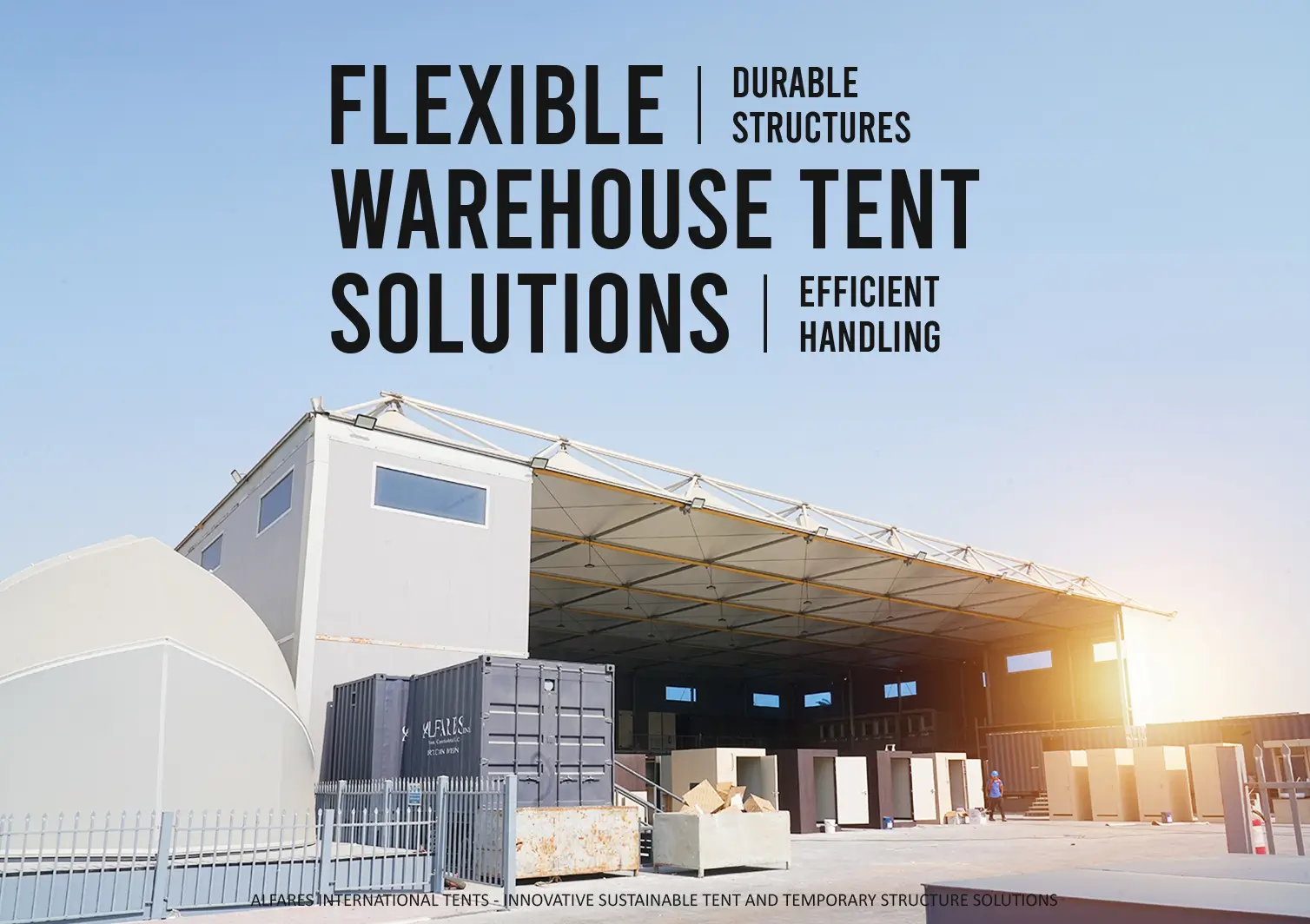
Many activities require large covered areas for a limited period. Outdoor exhibitions, sporting competitions, festivals, temporary storage facilities, and corporate events often need substantial space without requiring a permanent building.
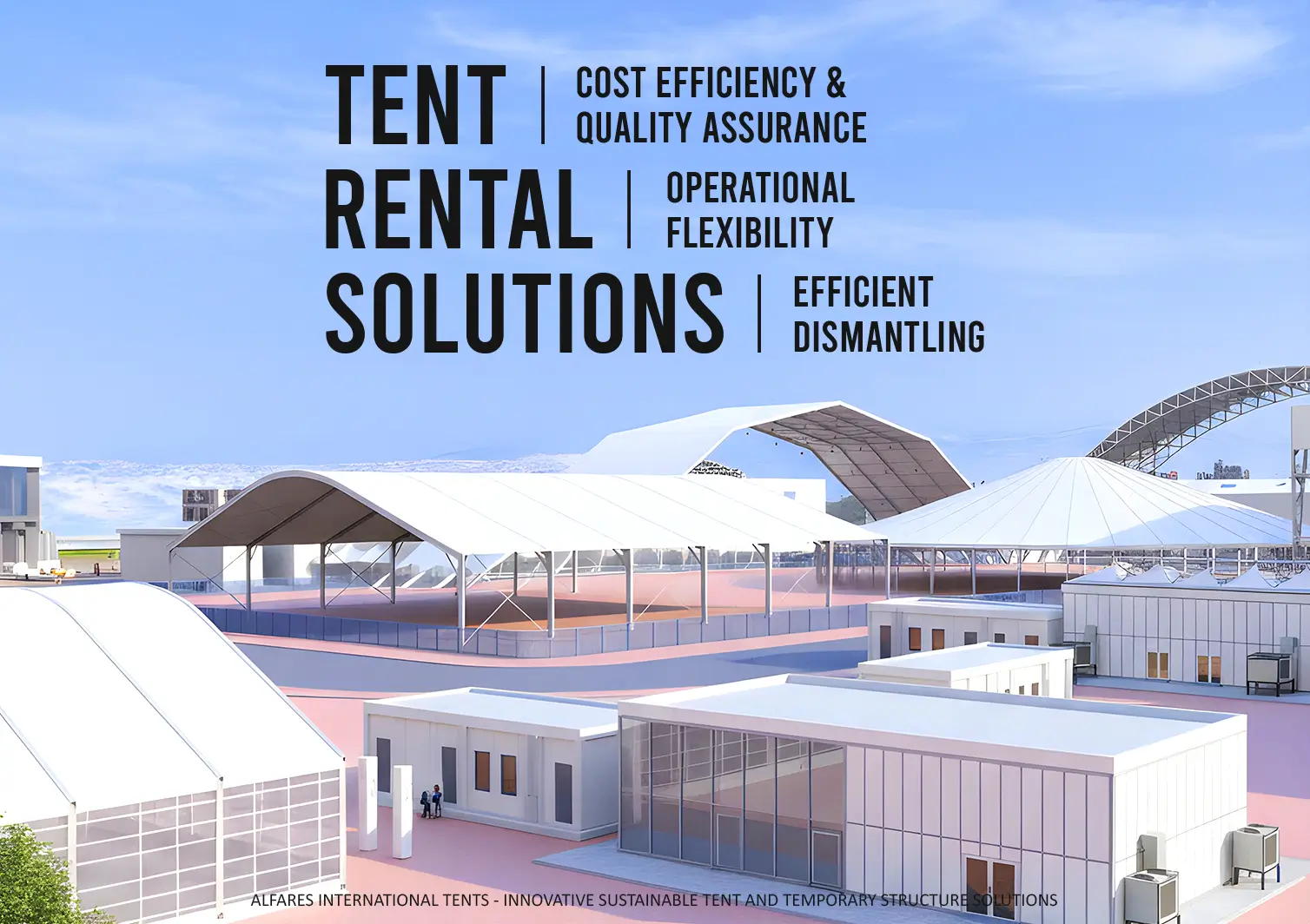
Tent structures can help meet these requirements while limiting the need for permanent construction. They can be installed for a specific project, then dismantled when the space is no longer required. This allows the site to serve other purposes instead of remaining occupied by a building designed for one particular activity.
For event organizers and businesses, this flexibility can also reduce the resources and long-term commitments associated with developing permanent facilities for temporary needs.
Extending the Life of Structural Components
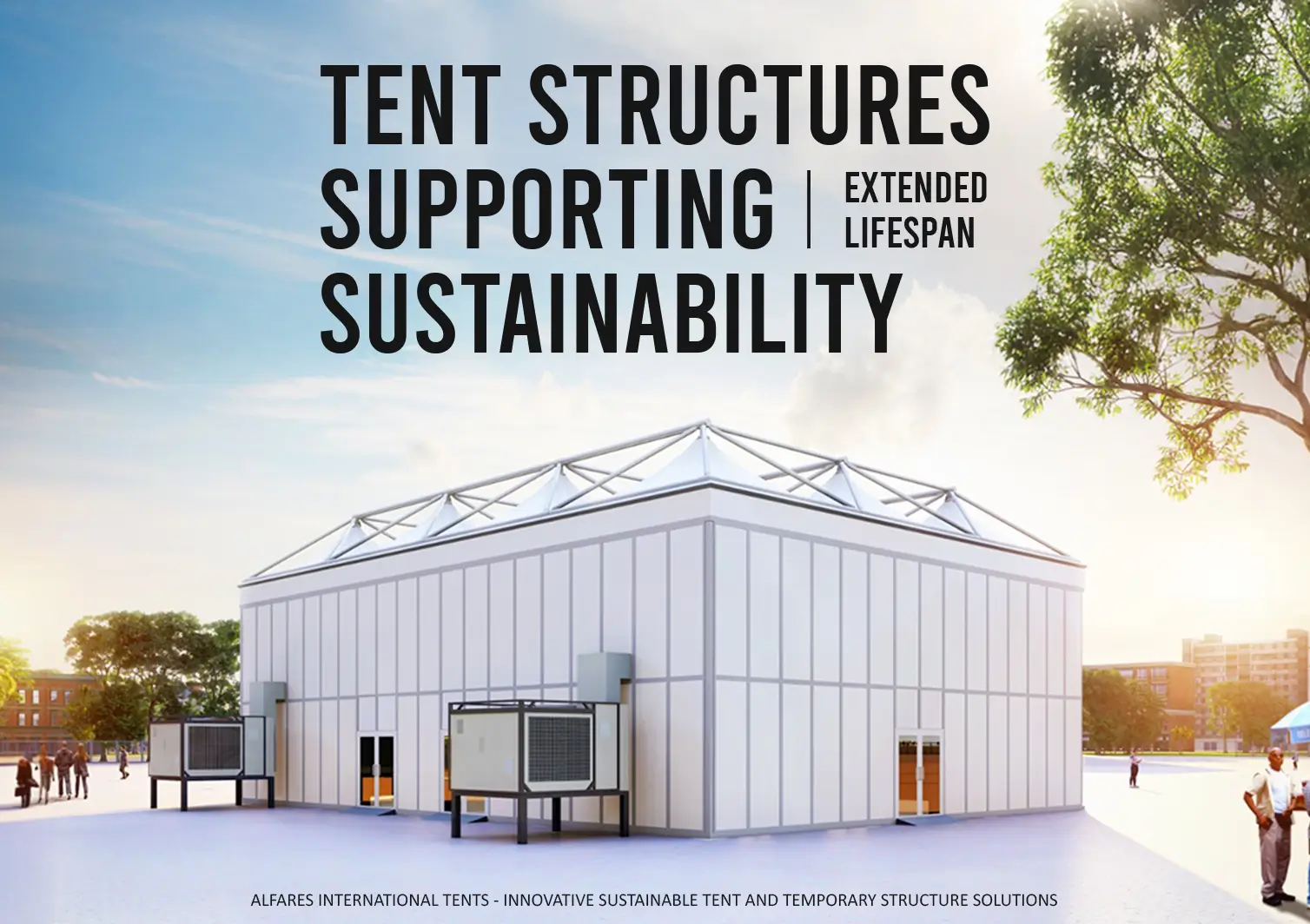
The sustainability of a tent structure depends partly on how long its components remain serviceable. Structural systems manufactured from durable materials can be used across multiple projects when handled, transported, installed, and maintained correctly.
Aluminium and steel frameworks can provide the strength required for repeated assembly and dismantling. Similarly, appropriately selected PVC-coated fabrics can offer resistance to outdoor conditions and support continued use over several seasons.
Rather than treating each event as a separate construction project, reusable tent systems allow businesses to deploy the same structural components at different locations. This can help reduce material replacement and make better use of the original manufacturing resources.
Reducing Waste Through Reusable Design
A reusable structure offers an alternative to solutions that are built for a single occasion and discarded afterwards. Modular tent systems can be assembled, expanded, reconfigured, or relocated according to changing project requirements.
This adaptability can help reduce unnecessary construction materials and limit waste generated when temporary facilities are no longer needed. Individual components may also be inspected, repaired, or replaced where appropriate, rather than requiring the entire structure to be renewed.
Effective storage and maintenance between projects are important to preserving this advantage. Keeping structural components and fabric coverings in suitable condition helps support their continued use.
Supporting Economic and Operational Efficiency
Sustainability also involves making responsible economic decisions. For projects that require temporary space, a reusable tent structure can provide an alternative to investing in a permanent facility that may have limited use.
Businesses can plan installations around their operational schedules, relocate structures when project requirements change, and adapt existing systems to different applications. These options can improve the long-term value of the initial investment.
For exhibitions, sporting events, industrial operations, and temporary warehousing, the ability to reuse infrastructure across multiple projects can support more efficient resource allocation.
Choosing Materials and Maintenance Practices Carefully
Material selection plays an important role in the overall service life of a tent structure. Frame materials, fabric specifications, protective finishes, connection systems, and installation methods should be selected according to the intended application and environmental conditions.
Regular inspections are equally important. Checking structural connections, anchoring systems, fabric coverings, and other components can help identify wear or damage before it affects continued use.
Proper cleaning, handling, transportation, and storage also contribute to maintaining the condition of the structure. These practices help protect the materials and support safer, more reliable deployment over time.
The Role of Tent Structures in a More Sustainable Future
As businesses and event organizers look for more adaptable ways to use space, reusable tent structures can contribute to more resource-conscious project planning. Their ability to serve temporary requirements, move between locations, and support different configurations makes them useful across several industries.
However, sustainability depends on more than choosing a temporary structure. It requires thoughtful design, durable material selection, efficient manufacturing, responsible installation, and proper maintenance throughout the product’s service life.
At Alfares International Tents & Construction Metal LLC, we provide engineered tent structures and modular solutions for events, exhibitions, industrial applications, and other temporary infrastructure requirements. Our focus on adaptable designs and reusable structural systems supports projects that need practical space solutions.
Contact Alfares International Tents to explore tent structures designed around your project requirements.
Call: +971 54 400 2658
Email: info@alfaresintl.com
Explore more: https://alfarestents.com/en/structures