

June 26, 2026 | By: Alfares International Tents
Can Tents Become Permanent Structures?
Tents have always been associated with short-term use, especially in camping and outdoor recreation. They are designed to be lightweight, portable, and easy to assemble, offering quick shelter in natural or temporary environments. But modern engineering has changed that idea quite a bit. Today, certain tent systems are built for long-term and even semi-permanent applications, raising a practical question: can a tent truly become a permanent structure?
The answer depends on design, materials, and maintenance. With the right configuration, tents can move far beyond temporary use and function as durable, long-term structures for residential, commercial, and industrial needs.
How Tent Systems Have Expanded Beyond Camping
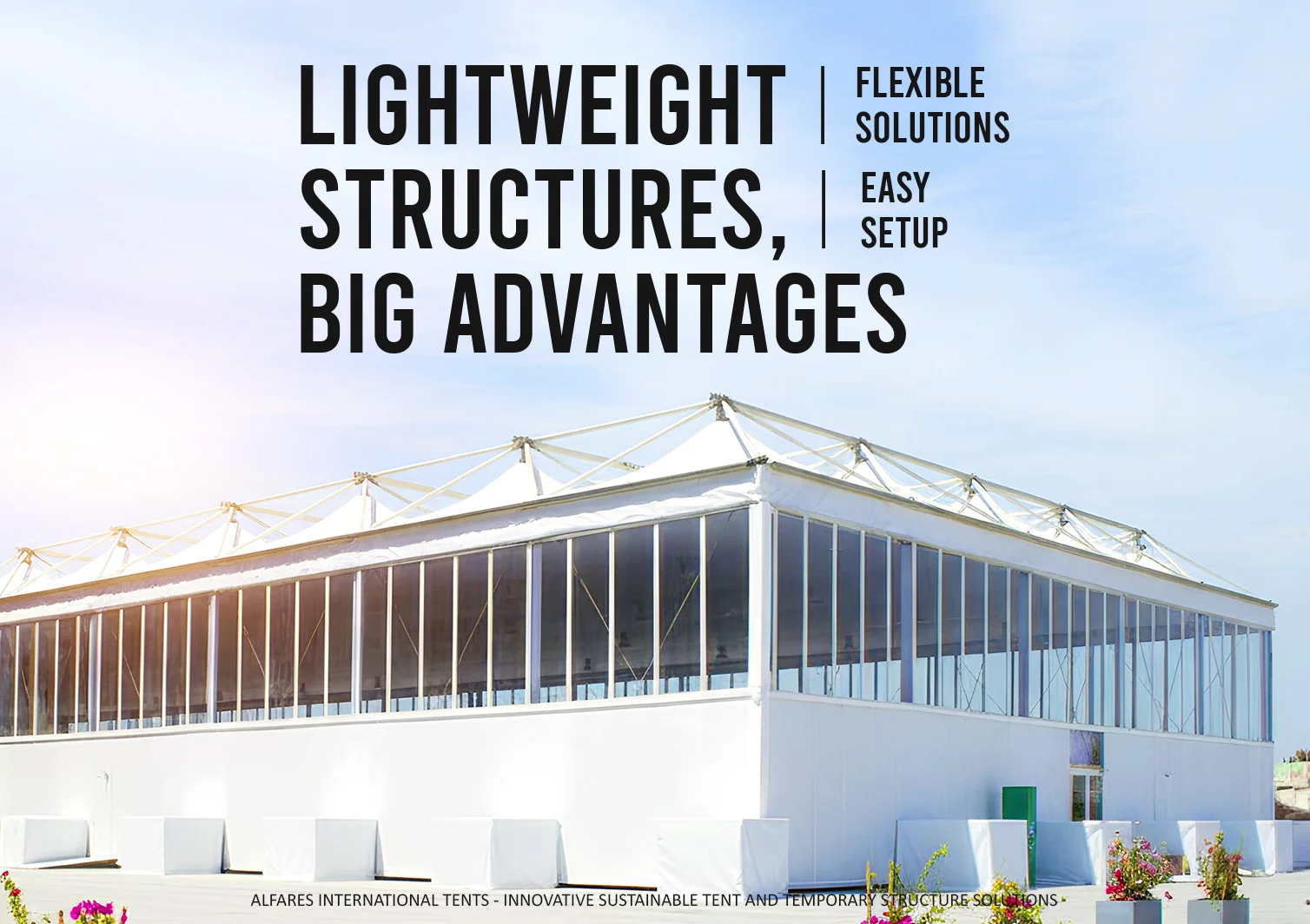
Tents are no longer limited to camping or emergency relief. Their use has expanded into multiple sectors where flexible space is needed. You now see them used for exhibition halls, storage warehouses, field offices, hospitality venues, and even semi-permanent living spaces.
In many cases, architects and engineers design tent structures specifically for extended use. These systems combine structural strength with modular flexibility, making them suitable for both short-term deployment and long-term installation depending on project requirements.
Key Factors That Influence Tent Lifespan
A tent’s lifespan is mainly determined by three core components: the frame, the fabric, and the supporting hardware.
The frame is usually built from aluminum or steel. When engineered properly, it can remain structurally sound for many years, even under demanding environmental conditions. High-grade systems can last a decade or more with proper care.
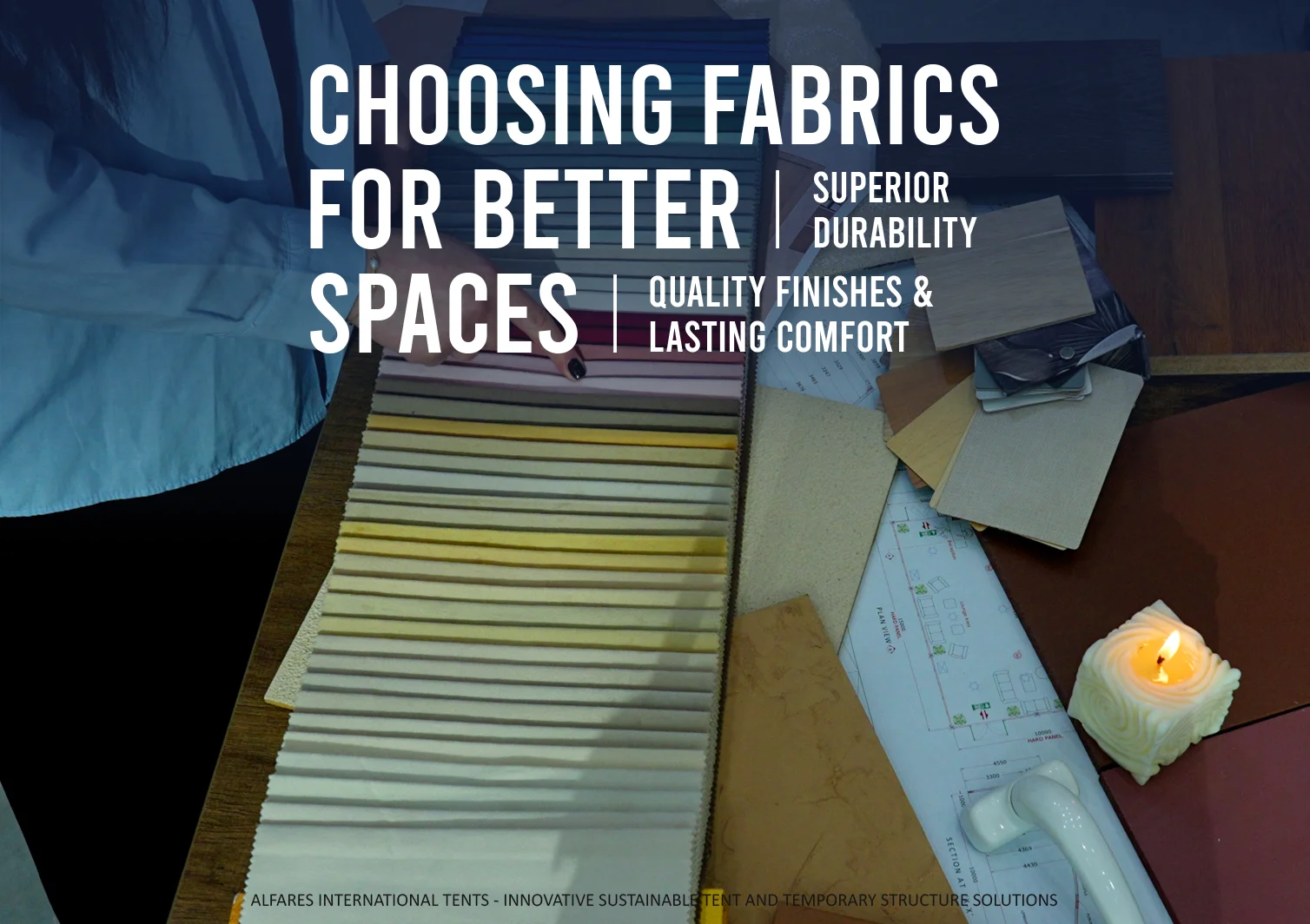
The fabric plays an equally important role. Modern PVC-coated polyester, canvas, or synthetic membranes offer resistance to water, UV rays, and abrasion. However, exposure to harsh sunlight and extreme weather can gradually affect performance. With proper maintenance, high-quality fabrics can serve reliably for many years before replacement becomes necessary.
Accessories such as connectors, zippers, anchors, and fasteners may seem minor, but they are critical to long-term stability. Regular inspection and timely replacement of these components significantly extend the overall lifespan of the structure.
When Tents Function as Long-Term Structures
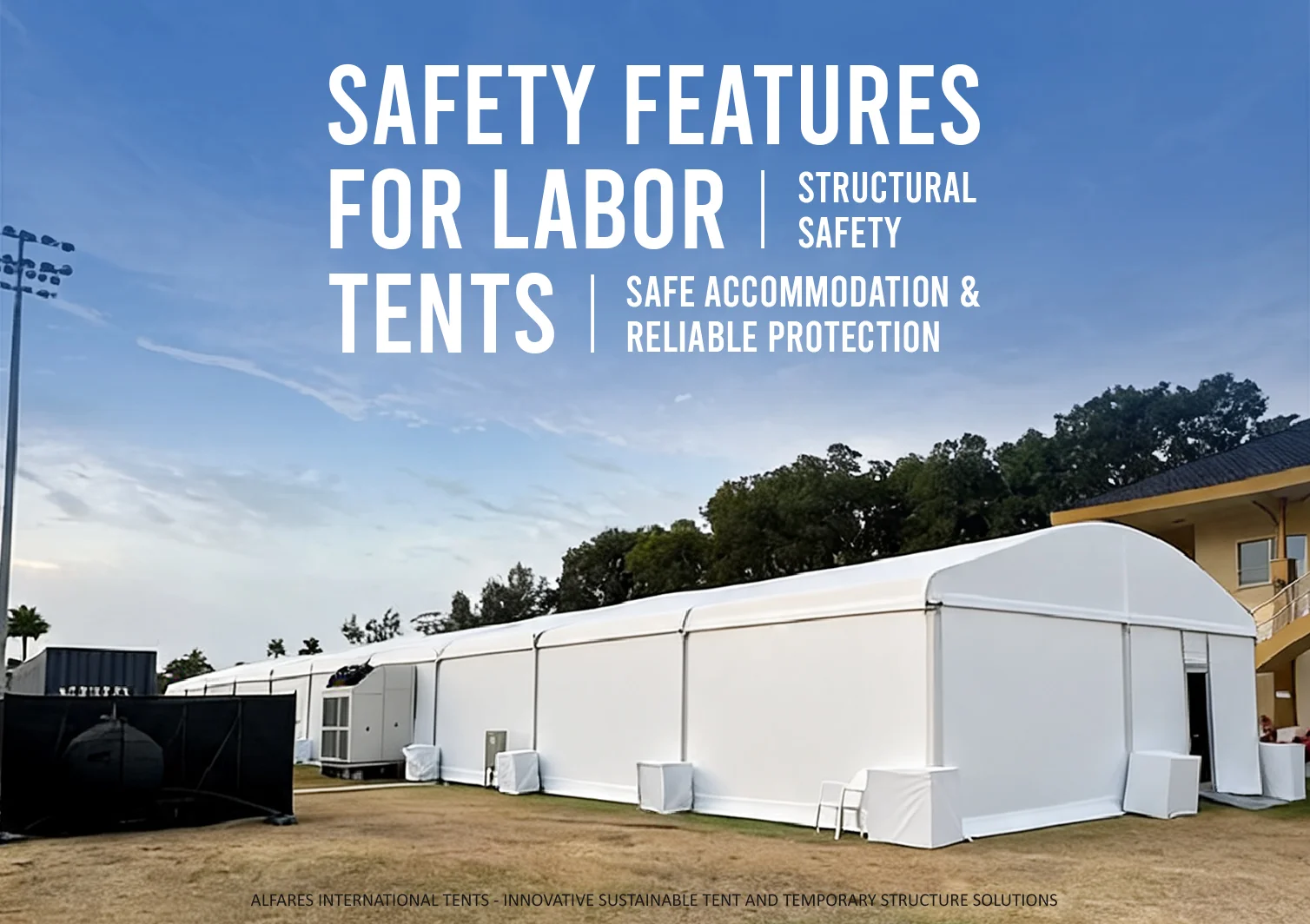
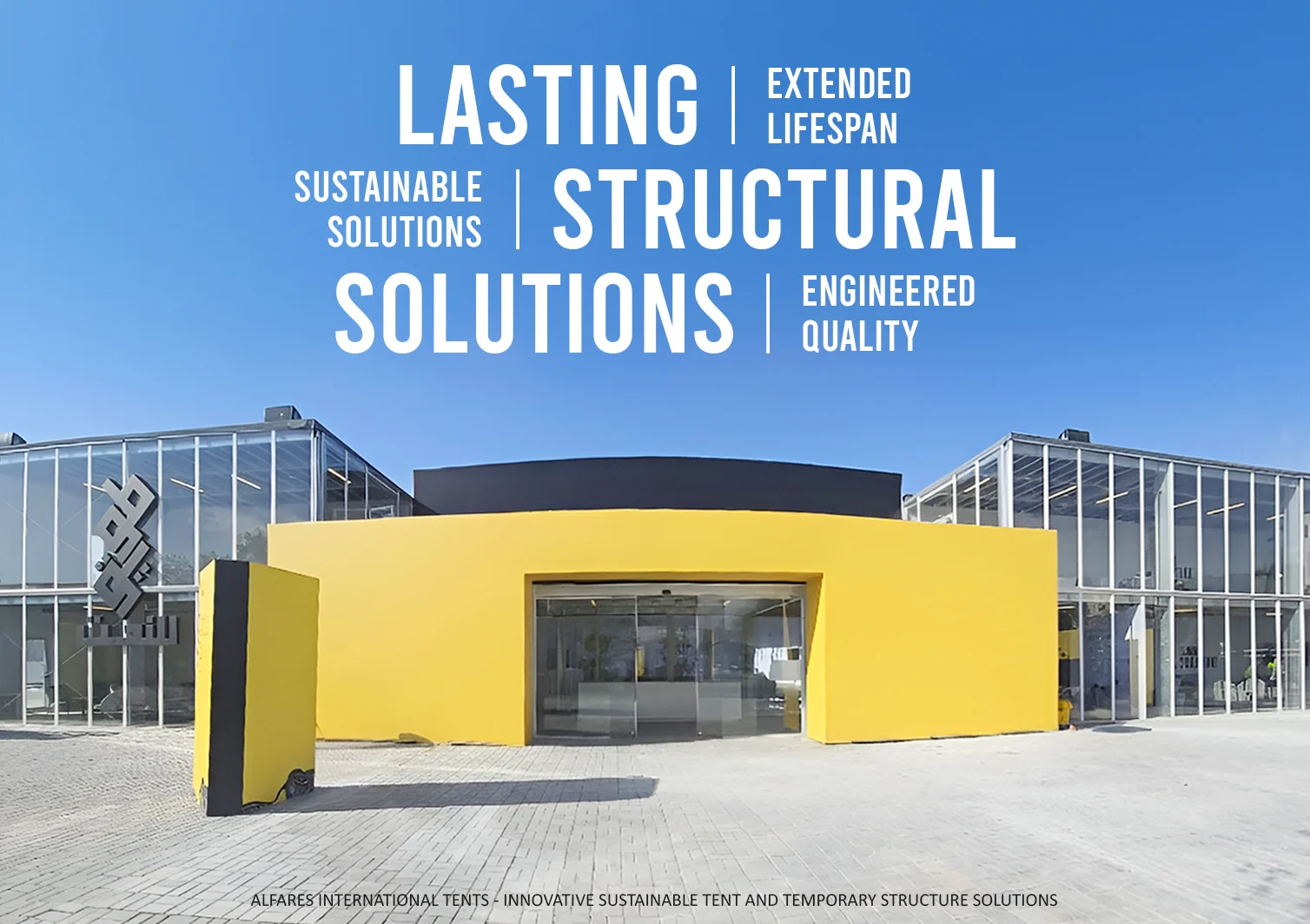
Some tent systems are specifically designed for extended use, including military camps, disaster relief housing, industrial shelters, and remote project facilities. These structures are engineered with stronger frames, insulated panels, and reinforced connections, allowing them to function for years or even decades depending on usage conditions.
In such setups, the difference between a “temporary tent” and a “long-term structure” comes down to engineering standards and maintenance discipline rather than the concept itself.
Maintenance Practices That Improve Durability
Longevity is not only about materials, but also about how the structure is used and maintained.
Routine cleaning helps prevent dust and debris buildup that can damage fabric and joints over time. Proper storage after disassembly protects materials from moisture and mold. Avoiding excessive load and stress ensures that frames and connectors remain stable under pressure.
Small components also require attention. Zippers, seams, ground layers, and anchors are often the first points of wear. Regular lubrication, waterproof treatment, and replacement of damaged parts help maintain performance and safety over time.
Final Perspective on Permanent Tent Solutions
Tents are no longer restricted to short-term shelter solutions. With advanced materials, engineered structures, and proper maintenance practices, they can function as long-term or semi-permanent spaces across a wide range of applications.
While they may not replace traditional buildings in every scenario, they offer a practical alternative where flexibility, speed of installation, and cost efficiency matter. In the right conditions, a well-designed tent system can serve reliably for many years, making it a viable solution for evolving space needs.
Built for Long-Term Performance with Alfares International Tents
At Alfares International Tents, we manufacture high-quality tent structures using durable aluminum or steel frames and heavy-duty PVC fabrics engineered for long-term performance. With proper installation and regular maintenance, our structural systems can last 15 to 30 years, making them ideal for commercial, industrial, hospitality, and event applications.
Our premium PVC roof and wall fabrics are designed to withstand demanding weather conditions, with a typical lifespan of 10 to 15 years when properly maintained. Through routine inspections, timely replacement of worn components, and preventive maintenance, clients can maximize the durability, safety, and performance of their tent structures for many years.
Beyond manufacturing, Alfares International Tents & Construction Metal LCC provides comprehensive after-sales support, replacement components, refurbishment services, and maintenance guidance to help clients maximize the value of their investment. By combining premium materials, advanced engineering, and proactive maintenance, our tent structures continue to deliver reliable, safe, and professional performance for many years across the GCC and international markets.
Call: +971 54 400 2658
Email: info@alfaresintl.com
Explore more: https://alfarestents.com/en/structures